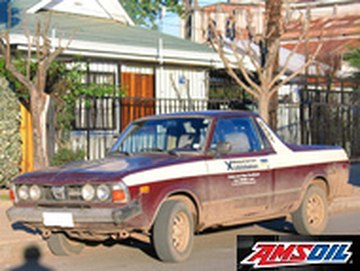
Lubrication Maintenance for the 1980 Subaru BRAT 1.8L
Maintaining the mechanical integrity of a vehicle like the 1980 Subaru BRAT requires a consistent approach to fluid management and component inspection. With the EA81 engine, providing proper lubrication is a fundamental aspect of routine service that helps ensure the engine operates as intended over time. Because this vehicle is an older model, maintenance strategies often shift from simple part replacement to a more observant, condition-based approach.
Monitoring Engine Fluid Integrity
One of the most effective ways to monitor the health of the 1.8L engine is through regular observation of its fluids. Rather than relying solely on scheduled intervals, an owner can gain significant insight by checking the lubricant's appearance and level during routine inspections. Changes in the color or texture of the oil can be indicative of various internal processes.
When performing these checks, look for the following:
- Fluid Levels: Regularly verifying that the oil level remains within the appropriate range helps identify potential consumption issues early.
- Visual Clarity: Extremely dark or gritty oil may suggest that the lubricant has been subjected to heavy thermal stress or that contaminants are present.
- Seepage Observations: Inspecting the area around the engine for signs of fluid seepage can help identify aging gaskets or seals that may require attention before they lead to significant leaks.
It is important to note that many different factors can influence the appearance of engine oil. If you notice unusual changes, such as a significant change in smell or an unexpected drop in level, these symptoms warrant further investigation to determine the underlying cause.
Prioritizing Service Based on Vehicle Condition
For a 1980 Subaru BRAT, maintenance priorities are often best determined by the current physical state of the vehicle rather than just its age. If you are stepping into ownership of this vehicle without a complete service history, establishing a baseline is a practical first step. This involves documenting the current condition of all major service items to create a roadmap for future care.
When assessing what needs attention first, consider these steps:
- Reviewing Documentation: If any previous maintenance records exist, review them to identify when components like filters or spark plugs were last addressed.
- Addressing Active Concerns: Any visible leaks, unusual mechanical noises, or warning indicators should take precedence over general preventive tasks.
- Evaluating Aging Materials: Inspecting rubber components, such as hoses (if present) and accessible belts (if equipped), for signs of cracking, glazing, or fraying is a prudent way to prevent unexpected failures.
By focusing on the actual condition of the EA81 engine and its supporting systems, you can distinguish between necessary repairs and unnecessary parts replacement, allowing for more efficient long-term ownership.
Observing Potential Operational Changes
A proactive owner pays attention to how the vehicle behaves during operation. While many mechanical issues develop slowly, some changes in performance or sound can serve as early indicators that something requires inspection. These signs do not always point to a single specific failure, but they are useful signals for when to perform a more thorough diagnostic check.
Be mindful of the following observations:
- Changes in Engine Sound: Any new or persistent mechanical noises during startup or while idling should be investigated.
- Exhaust Observations: While exhaust characteristics can be influenced by many factors, changes in the color or consistency of exhaust smoke may indicate that internal engine processes are changing.
- Temperature Fluctuations: Monitoring the cooling system and observing if the vehicle shows signs of overheating can prevent more serious thermal issues.
Because symptoms like unusual noises or odors can have multiple causes, they should be treated as prompts for inspection rather than definitive proof of a specific component failure.
Managing Aging Engine Components
As vehicles age, the materials used in their construction—such as various seals, gaskets, and electrical connections—can undergo changes due to heat cycles and time. For the 1980 Subaru BRAT, maintaining these components involves a combination of visual inspection and careful monitoring.
When inspecting the engine bay, it is useful to look for evidence of age-related wear. This includes checking electrical connectors for corrosion or loose fitment, which can affect ignition performance if applicable. Additionally, inspecting the condition of various hoses and belts (if equipped) helps ensure that the peripheral systems supporting the 1.8L engine remain reliable. If you notice any signs of deterioration, such as hardening or cracking in rubber components, it is a good time to plan for replacement.
Consistent record-keeping regarding these observations is highly beneficial. Keeping a log of when you noticed a specific seepage or when a belt began to show wear allows you to track the progression of aging and make informed decisions about when to intervene.
Effective Long-Term Ownership Strategies
Successful long-term ownership of a classic vehicle like the BRAT relies on moving from reactive repairs to proactive management. This transition is most effective when an owner maintains a clear history of all fluids, filters, and mechanical repairs performed on the vehicle.
A well-maintained service log serves several purposes: it helps establish a maintenance baseline, provides clarity if you ever decide to sell the vehicle, and ensures that you do not repeat unnecessary services. When the service history is incomplete, use your initial inspections to fill in the gaps. For example, if the condition of the air filtration system or the state of the ignition components (if applicable) is unknown, performing a thorough check can provide the information needed to bring the vehicle up to a known standard.
Ultimately, the goal is to maintain the engine's ability to operate smoothly by addressing small issues before they escalate into larger mechanical concerns. This requires patience and a willingness to inspect the vehicle regularly, even when no obvious problems are present.
Practical Advice for Buying Engine Oil for your 1980 Subaru BRAT 1.8L
When it is time to replenish the engine lubricant, the most important step is to ensure that the product you select matches the specific requirements of the EA81 engine. Because different formulations offer different properties, such as varying levels of oxidation resistance or deposit control, choosing the correct type is essential for maintaining engine health.
To make an informed purchase, follow these guidelines:
- Consult Application Data: Always match the engine oil to the vehicle-specific viscosity and application information already displayed on this webpage. Do not rely on general knowledge or assumptions based on the vehicle's age to determine the correct grade.
- Verify Product Labels: Before completing your purchase, check the product packaging to confirm it meets the necessary standards and matches the specifications listed in your vehicle documentation.
- Consider Formulations: Depending on the current condition of your engine, you may choose between conventional, synthetic blend, or full synthetic oils. Some high-mileage oil formulations also contain additives intended for use in aging engines, including seal-conditioning additives.
By strictly adhering to the application-specific information provided here, you ensure that the lubricant you provide is appropriate for the unique needs of your 1980 Subaru BRAT 1.8L.