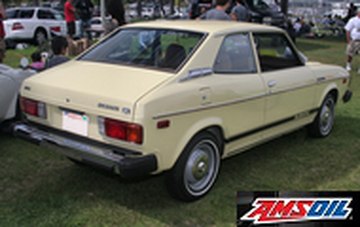
Maintaining Lubrication Standards for the 1980 Subaru 2-DOOR 1.8L
Proper engine care for a vehicle of this era requires a focus on consistent monitoring and adherence to specific fluid requirements. For owners of the 1980 Subaru 2-DOOR equipped with the 1.8L EA81 engine, maintaining the lubrication system is a fundamental aspect of long-term mechanical health. Because older engines operate under different thermal and mechanical stresses than modern counterparts, a proactive approach to inspection and fluid management is essential.Monitoring Fluid Integrity and Condition
A primary responsibility in maintaining an older engine involves regular observation of the lubricant's physical state. Over time, engine oil can undergo changes due to heat exposure and the presence of combustion byproducts. It is useful to periodically check the appearance of the oil using a dipstick. If the oil appears excessively dark or contains visible particulate matter, it may indicate that the fluid has reached the end of its effective service life or that the filtration system requires attention. Beyond color, the texture of the lubricant can provide clues about engine health. While some darkening is expected in older engines, an extremely thick or "sludgy" consistency warrants investigation. Such a condition can be associated with extended intervals between changes or the presence of moisture within the crankcase. Furthermore, if the oil has a distinct odor that differs from standard burnt oil, it could indicate contamination from other fluids.Observing Potential Warning Signs
When managing an older vehicle, recognizing subtle changes in operation is often more effective than waiting for a mechanical failure. Owners should remain vigilant regarding any signs of fluid loss or unusual engine behavior. Visible evidence of seepage around the engine block or near various seals and gaskets is a significant indicator that requires attention. While small amounts of "sweating" on older gaskets are not uncommon, active leaks can lead to sudden oil loss, which poses a risk to engine components. It is important to note that a single symptom, such as an unusual odor or a change in engine noise, may have multiple underlying causes and should be investigated by a professional rather than diagnosed through observation alone. Additionally, monitoring the vehicle's exhaust can be a helpful practice. While certain types of smoke can indicate various internal conditions, any sudden or persistent change in exhaust color should be treated as a reason to inspect the engine's lubrication and combustion environment. If an oil pressure indicator illuminates on the dashboard, this is a critical signal that requires immediate investigation to prevent potential damage.Prioritizing Maintenance Based on Current Condition
For a 1980 Subaru 2-DOOR, maintenance priorities should be dictated by the actual condition of the vehicle rather than just its age. If you are taking over ownership of an EA81 engine with an incomplete service history, establishing a baseline is the most effective first step. This involves performing a thorough inspection of all fluids and checking for any existing leaks or signs of neglect. Once a baseline is established, maintenance should focus on addressing active concerns first. For example, if there is evidence of minor seepage or if the oil appears degraded, these issues should take precedence over general preventive tasks. Keeping a detailed log of every oil change, filter replacement, and fluid top-off will help you identify patterns, such as an increasing rate of lubricant consumption, which can be vital for making informed long-term service decisions.Inspecting Aging Components and Connections
As vehicles age, the materials used in various systems can become less resilient. During routine service, it is beneficial to perform a visual inspection of accessible components that are subject to heat and vibration. If equipped, inspect all drive belts for signs of deterioration such as cracking, glazing, or fraying. Similarly, if present, check the condition of various hoses for any evidence of softening, swelling, or brittleness. Electrical connections and wiring harnesses should also be inspected for signs of corrosion or damage to the insulation, as these can affect the overall reliability of the vehicle's systems. Checking the condition of the air filtration system is another practical step. A clean air intake ensures that the engine is not drawing in excessive debris, which helps maintain the cleanliness of the internal environment and supports the efficiency of the lubrication system by reducing the amount of external contaminants entering the crankcase.Effective Long-Term Ownership Strategies
Successful long-term ownership of a 1980 Subaru 2-DOOR relies on moving from reactive repairs to proactive management. This means distinguishing between necessary preventive maintenance and the unnecessary replacement of parts that are still in good working order. Rather than replacing components based solely on their age, use visual inspections and functional testing to determine if a part actually requires service. Reviewing previous repair records is invaluable. If a specific component has been replaced recently, you can focus your attention on other areas of the engine that may be approaching the end of their service life. This organized approach allows for more predictable maintenance costs and helps ensure that the 1.8L EA81 engine remains in reliable operating condition.Practical Guidance for Buying Engine Oil for the 1980 Subaru 2-DOOR 1.8L
When it is time to replenish your engine's lubricant, accuracy in selection is paramount. You must match the engine oil to the application-specific viscosity information already displayed on this webpage. Do not rely on general automotive knowledge or assumptions based on the vehicle's age to determine the correct grade. When browsing available products, consider the following:- Verify Labeling: Always check the product packaging to ensure it meets the specific requirements listed in your application information.
- Formulation Options: Depending on the engine's current condition and your maintenance goals, you may choose between conventional, synthetic blend, or full synthetic formulations. Some high-mileage oil formulations contain additives intended for use in aging engines, including seal-conditioning additives.
- Quality Standards: Ensure the oil carries the appropriate API certification to guarantee it meets modern standards for detergent and anti-wear properties.