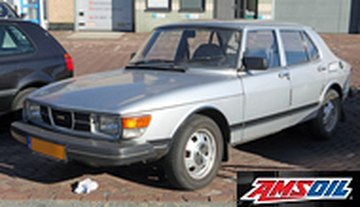
Lubrication Maintenance for the 1980 Saab 99 2.0L
Maintaining the mechanical integrity of a classic vehicle requires a disciplined approach to fluid management and regular inspections. For the 1980 Saab 99 equipped with the 2.0L (1985cc) engine, consistent attention to lubrication is a fundamental aspect of long-term ownership. Because older engines operate under specific mechanical tolerances, the quality and condition of the engine oil play a significant role in how the vehicle performs over time.
Monitoring Fluid Integrity and Potential Leaks
One of the most effective ways to monitor the health of an engine is through regular visual inspections for fluid seepage. As vehicles age, various seals and gaskets may undergo changes in their ability to maintain a perfect seal. When performing routine checks under the hood or beneath the vehicle, look for any signs of wetness or residue around sealing surfaces.
If you notice dark, oily staining on the engine block or pooling on the ground after the vehicle has been parked, it warrants further investigation. Such observations can be associated with various components and do not necessarily point to a single failure, but they are important indicators that the lubrication system's containment is being compromised. Additionally, checking the level of the lubricant using the appropriate dipstick method ensures that the engine remains properly supplied during operation.
Observing Changes in Lubricant Condition
The physical appearance and smell of the engine oil can provide useful information regarding the internal environment of the 1980 Saab 99. While some level of darkening is expected as oil undergoes its service life, extreme changes in color or texture should be noted.
- Texture and Consistency: If the oil appears excessively thick, gritty, or contains visible particulates, it may indicate that the lubricant has broken down or that contaminants have entered the system.
- Odor: A strong, unusual scent coming from the oil filler cap or the dipstick can sometimes be associated with combustion byproducts or overheating.
- Color Shifts: Significant discoloration that occurs shortly after an oil change may indicate that the engine is struggling to maintain clean lubrication.
If any of these symptoms are observed, it is advisable to investigate the cause rather than simply performing another oil change. Unusual mechanical noises or changes in how the engine idles can also be related to the state of the lubrication, though these symptoms often have multiple potential origins.
Prioritizing Maintenance Through Documentation
For owners of a 1980 Saab 99, establishing a clear maintenance baseline is highly beneficial. If you have recently acquired the vehicle and do not have access to its full service history, your first priority should be to document its current state. This involves recording the date and mileage of every fluid change, filter replacement, and mechanical repair.
Reviewing available records allows you to distinguish between routine preventive maintenance and repairs necessitated by active issues. If documentation is incomplete, treating the vehicle as if it requires a comprehensive inspection of all aging components—such as hoses, if present, or electrical connections—is a prudent way to begin a new era of ownership. By keeping a detailed log of fluid consumption and any observed leaks, you can identify patterns that might otherwise go unnoticed, allowing for more informed decision-making regarding future service needs.
Managing Aging Engine Components
As an engine reaches a certain age, the materials used in its construction—such as rubber, plastic, and various sealants—may become less resilient. When inspecting the 2.0L engine, it is helpful to look at the condition of peripheral components that support the engine's operation.
If equipped, inspect accessible drive belts for signs of wear such as cracking, glazing, or fraying. Similarly, if the vehicle is equipped with various cooling hoses, check them for excessive softness, hardening, or visible leaks. While these components are separate from the lubrication system itself, their condition can impact the overall thermal management of the engine, which in turn affects how the oil performs under operating temperatures. A proactive approach involves inspecting these items based on their actual physical condition rather than relying solely on chronological age.
Practical Steps for Long-Term Engine Care
Effective long-term care for this vehicle involves a balance between preventive measures and reactive repairs. Rather than attempting to replace parts that are still functioning correctly, focus your efforts on addressing active warning signs or overdue service tasks. This includes:
- Addressing Leaks Early: Small amounts of seepage can often be managed through regular monitoring, but ignoring them may lead to more significant issues later.
- Monitoring Consumption: Keep track of how much oil is required between service intervals. A sudden increase in the amount needed to reach the "full" mark on the dipstick is a signal that requires investigation.
- Consistent Inspections: Making visual checks a part of your routine—such as every time you refuel or perform other maintenance—ensures that changes are caught early.
By focusing on these practical areas, an owner can maintain the 1980 Saab 99 in a way that respects its mechanical design while adapting to the realities of operating a classic vehicle.
Buying Engine Oil for your 1980 Saab 99 2.0L
When it is time to replenish the lubrication in your engine, accuracy in selection is vital. Because this article does not provide a specific SAE viscosity, you must match the engine oil to the application-specific viscosity information already displayed on this webpage.
Before making a purchase, always verify that the product meets the appropriate quality standards and certifications listed in your vehicle's documentation. Depending on your specific needs and the current condition of the engine, you may encounter various options, including conventional oils, synthetic blends, or full synthetic formulations. Some high-mileage oil formulations contain additives intended for use in aging engines, and some high-mileage formulations include seal-conditioning additives. However, the most important step is to ensure that the lubricant you choose aligns with the specific requirements provided in the application data above. Always check the product labeling carefully to confirm it matches the necessary specifications for your 1985cc engine.