Authorized AMSOIL Dealer
Joseph Feghali
Miami, FL

1982 Porsche 911 3.3L Oil Type and Capacity

Free Vehicle Maintenance App

For cars, trucks, ATVs & more

Track oil changes, save service records, and get maintenance reminders.

Keep your maintenance history handy for your next service.

Your Vehicle's Information

Year:

1982

Make:

Porsche

Model:

911

Engine Size:

3.3L

Engine #:

930.6 67C Turbo

Recommended Synthetic Oil for a 1982 Porsche 911 3.3L

Product Name Product Description Capacities Product
XL 10W-40 Synthetic Motor Oil Protect your 911 now with Amsoil products! Made in USA! With filter 9.9 quarts Add 6.1 liters (6.5 qt). Run the engine at idle and add another 3.0 liters (3.2 qt). With engine warm and running check the reservoir dipstick. Do not fill to MAX level. Oil level must be between the MIN and MAX gradients. Draining time is 20 minutes. XLOQT-EA
XL 10W-40 Synthetic Motor Oil XLOQT-EA
Add To Cart
Add To Cart
Premium Protection 10W-40 Synthetic Motor Oil Protect your vehicle with the world's best synthetic oil for your 911! With filter 9.9 quarts Add 6.1 liters (6.5 qt). Run the engine at idle and add another 3.0 liters (3.2 qt). With engine warm and running check the reservoir dipstick. Do not fill to MAX level. Oil level must be between the MIN and MAX gradients. Draining time is 20 minutes. AMOQT-EA
Premium Protection 10W-40 Synthetic Motor Oil AMOQT-EA
Add To Cart
Add To Cart
SAE 5W-40 MS Synthetic European Motor Oil Amsoil is high technology oil and leaves the competition behind! Get the best for your 911. With filter 9.9 quarts Add 6.1 liters (6.5 qt). Run the engine at idle and add another 3.0 liters (3.2 qt). With engine warm and running check the reservoir dipstick. Do not fill to MAX level. Oil level must be between the MIN and MAX gradients. Draining time is 20 minutes. AFLQT-EA
SAE 5W-40 MS Synthetic European Motor Oil AFLQT-EA
Add To Cart
Add To Cart

Recommended transmission fluids for my 1982 911

Product Name Note Capacities Product Description Product
SEVERE GEAR® 75W-90 Manual Transmission Fluid
U/K 7.8 pints This special formula is made for harsh operating conditions that pick-up trucks endure. Also top-notch protection for SUVs, heavy equipment, and other heavy-duty vehicles. Made in the USA. SVGPK-EA
SEVERE GEAR® 75W-90 SVGPK-EA
Add To Cart
Add To Cart
SEVERE GEAR® 75W-110 Manual Transmission Fluid
U/K 7.8 pints This is a fantastic lubricant for towing trailers, heavy duty hauling, off road driving/4x4, commercial applications, and for race enthusiasts. This severe gear lube will protect bearings, gears from friction and exceeds performance of any regular gear oil out there! Keep your truck or vehicle out of the shop and avoid costly repairs with this made in the USA lube. SVTPK-EA
SEVERE GEAR® 75W-110 SVTPK-EA
Add To Cart
Add To Cart
SEVERE GEAR® 80W-90 Manual Transmission Fluid
U/K 7.8 pints This lube is made to exceed the requirements of equipment and all vehicles that require SAE 80W-90 viscosity. It is made with synthetic base oils and top additives without adding any wax. Amsoil Severe Gear is solid against thermal breakdown. Will give you awesome protection for bearings and gears and tough against heat which will help extend the life of your equipment and avoid costly repairs. Made in the U.S.A. AGLPK-EA
SEVERE GEAR® 80W-90 AGLPK-EA
Add To Cart
Add To Cart

Recommended coolants for my Porsche 911

Product Name Product Description Capacities Product
Passenger Car & Light Truck Antifreeze & Coolant maximum protection for your 1982 Porsche 911 under extreme temperatures and operating conditions! Lasts up to 150,000 miles or five years! (whichever comes first) ANTPC1G-EA
Passenger Car & Light Truck Antifreeze & Coolant ANTPC1G-EA
Add To Cart
Add To Cart
Low Toxicity Antifreeze and Engine Coolant Lasts in your 1982 Porsche 911 for up to 150,000 miles or five years! (whichever comes first). Biodegradable! ANT1G-EA
Low Toxicity Antifreeze and Engine Coolant ANT1G-EA
Add To Cart
Add To Cart

Maintaining Lubrication Integrity for the 1982 Porsche 911 3.3L

Proper engine care for a high-performance vehicle like the 1982 Porsche 911 with the 3.3L engine requires a disciplined approach to lubrication and routine inspections. Because this specific model utilizes the 930.6 67C Turbo engine, maintaining the correct fluid condition is a primary component of long-term mechanical health.

Monitoring Fluid Condition and Potential Leaks

A proactive approach to maintenance involves regular visual assessments of the engine bay and undercarriage. For an owner of this vehicle, identifying changes in the environment around the engine can prevent more significant issues. When performing routine checks, look for any signs of fluid seepage or active leakage. This includes inspecting various gaskets and seals for evidence of age-related weeping. It is also useful to examine the area around the drain plug and the filter mounting surfaces to ensure there is no residue that might indicate a loose component or a failing seal. If you notice an unusual odor or see fluid accumulating in specific areas, these symptoms warrant further investigation. While a small amount of seepage can occur as components age, any sudden increase in fluid loss or changes in the appearance of the lubricant should be addressed promptly. Note that various factors can cause unexpected oil behavior; therefore, a single symptom should not be used to definitively diagnose a specific part without a thorough inspection.

Systematic Inspection of Engine Components

Beyond looking for leaks, a comprehensive maintenance routine includes inspecting other age-sensitive components. If the vehicle is equipped with various drive belts, these should be examined for signs of wear such as cracking, glazing, or fraying. Similarly, if any cooling hoses are present and accessible, check them for softness, brittleness, or swelling. Electrical connections and wiring harnesses should also be inspected to ensure they remain secure and free from corrosion or damage. Maintaining the integrity of these systems is essential for the overall reliability of the vehicle's engine management and ignition functions. For those managing a vehicle of this era, it is often beneficial to look at the condition of air filtration components. Ensuring that the intake path is clear of debris helps maintain optimal airflow, which supports the efficiency of the combustion process.

Establishing a Maintenance Baseline

For many owners, especially those who have acquired the vehicle recently, establishing a maintenance baseline is a critical first step. This involves determining the current state of all vital fluids and mechanical components to create a starting point for future service. If a complete service history is unavailable, you should prioritize a thorough inspection of all major systems. Reviewing any available documentation regarding previous repairs or fluid changes can provide clues about how the engine has been treated in the past. If records are incomplete, treating the vehicle as if it requires immediate attention to aging components—such as seals and hoses—is a prudent way to ensure no critical service items have been overlooked. Keeping detailed records of every oil change, filter replacement, and mechanical inspection is one of the most effective ways to manage long-term ownership. A well-documented history allows you to track the condition of the engine over time and helps in identifying any patterns that might suggest a need for preventive maintenance.

Prioritizing Service Tasks Based on Condition

As a vehicle ages, maintenance priorities may shift from simple routine changes to more intensive condition-based monitoring. Rather than following a rigid schedule based solely on years of ownership, it is often more effective to prioritize tasks based on the actual state of the machine. If you observe active leaks or notice changes in how the engine consumes lubricant, these should be addressed before moving on to other preventive tasks. Similarly, if an inspection reveals that a belt or hose is showing signs of deterioration, replacing those items becomes a higher priority than general cosmetic maintenance. Distinguishing between necessary repairs and unnecessary parts replacement is key to efficient ownership. Focus on addressing issues that impact the immediate mechanical integrity of the engine, such as maintaining proper lubrication levels and ensuring cooling systems are functioning correctly if equipped.

Managing Long-Term Engine Health

Long-term ownership of a 3.3L Turbo engine involves staying vigilant about how the vehicle responds to different operating conditions. Monitoring for any unusual mechanical noises or changes in exhaust characteristics can provide early indications that something requires attention. It is also important to be aware of how the lubricant itself behaves. Changes in the color, smell, or consistency of the oil can indicate contamination or thermal breakdown. While these symptoms can have many different causes, they serve as important indicators that a professional inspection may be necessary. Consistent monitoring allows for small adjustments to be made before minor issues escalate into significant mechanical failures.

Practical Advice for Buying Engine Oil for your 1982 Porsche 911 3.3L

When it is time to replenish the engine lubricant, ensure you are selecting a product that aligns with the specific requirements of your engine. Because different formulations offer different properties, such as varying levels of oxidation resistance or deposit control, choosing the correct type is essential. Always match the engine oil to the application-specific viscosity information already displayed on this webpage. Do not rely on general automotive knowledge or assumptions based on the vehicle's age to determine the correct grade; instead, use the specific data provided in the technical specifications above. When purchasing, check the product labeling carefully to verify that it meets the necessary quality standards and certifications. Depending on your specific needs, you may encounter various options including conventional, synthetic blends, or full synthetic formulations. Some high-mileage oil formulations also contain additives intended for use in aging engines, which may be a consideration during your selection process. Always prioritize the information provided in the application data to ensure the lubricant is appropriate for this 1982 Porsche 911 3.3L engine.
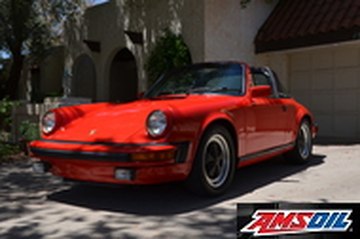
Catalog vehicle photograph for 1982 Porsche 911
Vehicle photograph from our catalog. Appearance may differ by model or trim.
Visit us on social media