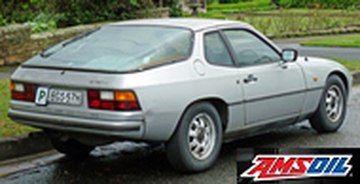
Maintaining Lubrication Integrity for the 1980 Porsche 924 2.0L
Proper engine care for a vehicle like the 1980 Porsche 924 2.0L involves more than just periodic fluid changes; it requires a disciplined approach to monitoring the mechanical health of the engine and its supporting systems. Because this vehicle represents a specific era of automotive engineering, maintaining the correct lubrication standards is essential for long-term operational stability.Monitoring Fluid Condition and Potential Seepage
A primary aspect of routine maintenance is the regular observation of the engine bay for any signs of fluid movement. For an engine of this age, inspecting gaskets and seals for evidence of seepage or leakage is a prudent practice. Rather than waiting for a significant drip to form, owners should look for "wet" areas around sealing surfaces or traces of residue that may indicate a seal is beginning to lose its effectiveness. When performing visual inspections, it is helpful to check the area around the drain plug and any visible sealing points. If any signs of seepage are found, they should be investigated promptly. It is important to note that a small amount of surface residue does not always indicate an immediate failure, but it serves as a vital indicator for future maintenance planning. Consistent monitoring allows for addressing minor issues before they escalate into more complex mechanical concerns.Observing Potential Warning Signs
While many engine issues manifest through obvious symptoms, some require a more attentive driver to notice subtle changes. If you observe any unusual mechanical noises during operation, it warrants an investigation to determine the source. Similarly, changes in how the engine behaves—such as variations in smoothness or unexpected idling characteristics—can be associated with various lubrication or fuel-related factors. If you notice any evidence of overheating, such as rising temperature gauges or unusual odors, this should be treated with priority. Furthermore, if there is a noticeable change in the appearance or consistency of the oil during a service interval, it may indicate that the lubricant has been subjected to excessive thermal stress or contamination. Because symptoms can have multiple underlying causes, observing these signs is the first step toward a professional diagnosis rather than a definitive conclusion of what has failed.Prioritizing Maintenance Based on Current Condition
For owners of a 1980 Porsche 924 2.0L, effective long-term ownership often means moving away from rigid, age-based replacement schedules and instead focusing on the actual condition of the vehicle's components. If you have a complete service history, reviewing those records can help establish a baseline for what has been replaced and what is approaching the end of its service life. If the maintenance history is unknown, establishing a new baseline is a wise first step. This involves performing a thorough inspection of all accessible fluids, belts (if equipped), and hoses to understand the current state of the vehicle. Once this baseline is set, you can prioritize tasks based on urgency. For example, addressing an active leak or a component showing signs of significant wear should take precedence over general preventive measures. Distinguishing between necessary repairs and unnecessary parts replacement helps ensure that maintenance efforts are both efficient and effective.Managing Aging Engine Components
As vehicles age, the materials used in various systems can undergo changes in flexibility and integrity. When inspecting an older engine, it is useful to look at aging materials such as rubber hoses or electrical connectors for signs of brittleness, cracking, or corrosion. While these components may appear functional, their physical condition provides insight into how much longer they might remain reliable under operating temperatures. If the vehicle is equipped with various drive belts, inspecting them for glazing, fraying, or surface cracks is a standard part of a thorough inspection. Similarly, checking the condition of electrical connections ensures that the engine's ignition and sensor systems can operate without interruption. By focusing on these physical indicators of age, an owner can make informed decisions about when to transition from monitoring a component to replacing it.The Role of Clean Lubrication in Engine Health
Maintaining clean and fresh engine oil is fundamental to the longevity of any internal combustion engine. The lubricant performs several roles that are critical to preventing premature wear. Beyond simple lubrication, the oil helps manage heat by absorbing thermal energy from various internal components and transporting it away from high-heat zones. Furthermore, modern oil formulations are designed to provide resistance against oxidation and the buildup of deposits. Over time, as oil is used, it can collect microscopic contaminants that may affect its ability to protect surfaces effectively. Regular service ensures that these contaminants are removed and that the lubricant maintains its intended chemical properties. Keeping the lubrication system clean is one of the most effective ways to support the mechanical integrity of the 2.0L engine over many years of operation.Practical Guidance for Buying Engine Oil for your 1980 Porsche 924 2.0L
When it is time to replenish your engine's lubricant, the most important step is to ensure that the product you select matches the specific requirements of your vehicle. Rather than relying on general automotive knowledge or assumptions based on the age of the car, always refer to the application-specific viscosity and oil information provided on this webpage. When shopping for products, consider the following practical steps:- Match the Application Information: Ensure the oil you purchase aligns with the specific viscosity and service requirements listed in the technical data above.
- Verify Product Labeling: Always check the physical container to confirm that the SAE viscosity and API certifications match your needs before completing a purchase.
- Evaluate Formulations: Depending on your specific engine condition, you may choose between conventional, synthetic blend, or full synthetic oils. Some high-mileage formulations also contain additives intended for use in aging engines, including seal-conditioning additives.
- Check Quality Standards: Look for modern API certifications to ensure the oil meets current standards for deposit control and thermal stability.