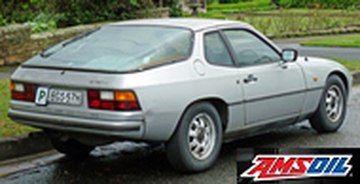
Maintaining Lubrication Integrity for the 1980 Porsche 924 2.0L
Proper engine care for a vehicle like the 1980 Porsche 924 requires a disciplined approach to fluid management and regular inspections. Because this model features a 2.0L engine (specifically the 1983 cc Turbo variant), maintaining the correct lubrication environment is essential for long-term mechanical health. While many aspects of vehicle maintenance are universal, those owning specialized engines must pay close attention to how fluids behave under various operating conditions.
Monitoring Fluid Condition and Consumption
One of the most effective ways to monitor the health of an engine is to observe changes in its lubricant. Rather than relying solely on scheduled intervals, an observant owner can identify potential issues by noting changes in how the vehicle uses oil. If you notice that the level on the dipstick is dropping more rapidly than previously observed, it warrants a closer investigation into the engine's current state.
Changes in the appearance of the lubricant can also be telling. While some discoloration is expected as oil ages and collects microscopic debris, significant changes in texture or color should not be ignored. Furthermore, if you observe any unusual exhaust smoke, this may indicate that oil is entering the combustion process. It is important to remember that such symptoms can have multiple causes; for instance, an odor of burning oil might simply indicate that a small amount of fluid has contacted a hot external surface rather than signifying an internal engine issue. Always treat new or unusual symptoms as a prompt for a professional inspection.
Systematic Inspection of Seals and Hoses
As vehicles age, the materials used in gaskets, seals, and hoses can undergo changes in flexibility and integrity. For the 1980 Porsche 924, performing regular visual inspections can help identify potential leaks before they become significant problems. When conducting these checks, look for signs of seepage or dampness around various connection points and sealing surfaces.
If equipped, inspect accessible drive belts for any evidence of cracking, glazing, or fraying. Similarly, if the vehicle is present with various rubber hoses, check them for signs of hardening, swelling, or surface deterioration. A proactive approach—identifying a weeping seal or a slightly degraded hose during a routine check—is often much more manageable than addressing a sudden loss of fluid. When inspecting these components, do not assume they are in good condition simply because the vehicle appears well-kept; physical inspection remains the most reliable method for determining material health.
Establishing a Maintenance Baseline
For owners who have recently acquired a 1980 Porsche 924, or those who have inherited a vehicle with incomplete service history, establishing a maintenance baseline is a critical first step. Without a clear record of when the oil was last changed, when filters were replaced, or when various belts and hoses were last inspected, it is difficult to predict future needs accurately.
To build this baseline, start by documenting the current condition of all vital fluids and components. Reviewing any available service records can provide clues about previous repair patterns or consistent maintenance habits. If no records exist, treat the vehicle as if its service history is unknown and prioritize a thorough inspection of all lubrication-related components. Once you have documented the initial state of the engine and its supporting systems, you can begin to track changes over time, which allows for much more precise preventive maintenance moving forward.
Prioritizing Service Tasks Based on Condition
Effective maintenance is not just about following a calendar; it is about responding to the actual condition of the vehicle. As an engine ages, the priority of tasks may shift. Rather than performing every possible service at once, focus on addressing active concerns first. This might include investigating a minor fluid seep, replacing a brittle hose, or addressing an unusual noise that has recently developed.
Distinguishing between necessary preventive maintenance and unnecessary parts replacement is a key skill for long-term ownership. For example, if a component is functioning perfectly and shows no signs of wear during inspection, there may be no immediate need to replace it simply because of the vehicle's age. Instead, focus your resources on monitoring aging materials and ensuring that all fluid levels are maintained according to the application-specific information provided for your engine.
The Role of Clean Lubricant in Engine Health
Engine oil performs several vital roles that go beyond simple lubrication. It helps manage the thermal environment within the engine by carrying heat away from critical areas and provides a layer of protection against friction. Furthermore, high-quality lubricants are designed to help control the buildup of deposits and sludge, which can form as oil undergoes thermal stress and interacts with combustion byproducts.
Maintaining the cleanliness of the lubrication system is essential for ensuring these functions are performed effectively. Regular changes ensure that the additives within the oil—which are designed to manage oxidation and maintain chemical stability—remain at effective concentrations. By staying diligent with fluid changes and monitoring the condition of the lubricant, you help ensure the engine remains protected against the gradual effects of heat and internal contamination.
Practical Advice for Buying Engine Oil for your 1980 Porsche 924 2.0L
When it is time to replenish your engine's lubricant, the most important step is to ensure that the product you select matches the specific requirements of your engine. Because different engines have unique operating needs, you should never rely on general automotive knowledge or assumptions based on the vehicle's age to select a grade.
Match the engine oil to the application-specific viscosity information shown above on this page. Before finalizing your purchase, carefully check the product labeling to verify that the oil meets the appropriate quality standards and certifications for your specific 1983 cc Turbo application. Depending on your maintenance goals and the current condition of your engine, you may choose between conventional, synthetic blend, or full synthetic formulations. Some high-mileage oil formulations also contain additives intended for use in aging engines, including seal-conditioning additives. Always prioritize the technical specifications listed in your vehicle's documentation over generic marketing claims to ensure the best possible protection for your 1980 Porsche 924 2.0L.