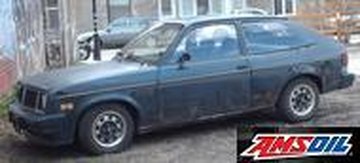
Maintenance and Lubrication for the 1981 Pontiac ACADIAN 1.8L Diesel
Maintaining a diesel engine requires a disciplined approach to fluid management and routine inspections. For the 1981 Pontiac ACADIAN equipped with the 1.8L diesel engine, consistent oversight of lubrication systems is a primary factor in long-term operational health. Because diesel engines operate under different thermal and mechanical stresses than gasoline counterparts, following specific maintenance protocols ensures that the engine remains protected against unnecessary wear.
Monitoring Fluid Integrity and Condition
One of the most effective ways to monitor the health of the 1.8L diesel engine is through regular observation of the lubricant's appearance and consistency. Over time, engine oil can undergo changes due to heat exposure and the presence of combustion byproducts. If the oil appears excessively dark or develops a gritty texture, it may indicate that the service interval has been exceeded or that contaminants are accumulating within the system.
When performing routine checks, look for any signs of unusual fluid behavior. For instance, if you notice an unexpected change in how much lubricant is being used between checks, it warrants a closer inspection of the engine area. While many factors can influence fluid levels, staying proactive about monitoring consumption helps identify potential issues before they escalate. Additionally, checking for any visible seepage around sealing surfaces or connections is a prudent habit during every service session.
Practical Inspection Priorities for Aging Engines
As vehicles age, the materials used in various engine components can undergo changes in flexibility and structural integrity. For an owner of a 1981 Pontiac ACADIAN, focusing on condition-based maintenance rather than strictly following age-based assumptions is often more effective. This means inspecting components based on their actual state of wear and cleanliness.
During routine service, it is useful to examine the following areas:
- Sealing Surfaces: Inspect gaskets and various seals for any evidence of seepage or weeping. Even minor amounts of moisture or oil near a seal can be an early indicator that a component may eventually require attention.
- Hoses and Connections: If present, inspect all visible hoses for signs of hardening, cracking, or bulging. Maintaining the integrity of these components is vital for overall engine environment stability.
- Electrical Integrity: Check accessible wiring and electrical connectors for signs of corrosion or fraying, which can affect sensor accuracy and general engine performance.
- Air Filtration: Ensure the air intake system is free of debris and that the filtration element is clean, as unrestricted airflow is essential for efficient combustion in a diesel application.
Managing Long-Term Engine Health
Establishing a reliable maintenance baseline is one of the most significant advantages an owner can have when managing an older vehicle. If you do not have access to a complete service history for this 1.8L diesel engine, your first priority should be to document every subsequent service, including the specific products used and any observations made during inspections.
A well-maintained record allows you to distinguish between normal operating characteristics and new developments. For example, if you know exactly how much lubricant the engine typically uses over a month of driving, you can immediately recognize when a change occurs. When maintenance records are incomplete, focus on addressing any active signs of wear or fluid loss first, then move toward preventive measures such as regular filter changes and thorough visual inspections. This systematic approach helps prioritize tasks based on actual need rather than guesswork.
Understanding Lubricant Functions in Diesel Applications
The lubricant within a diesel engine performs several critical roles beyond simple friction reduction. It acts as a vital medium for heat management, helping to carry thermal energy away from high-temperature zones within the engine block. Furthermore, it serves as a cleaning agent, suspending microscopic particles and preventing them from settling into deposits or sludge that could obstruct internal passages.
Maintaining the chemical stability of the oil is essential. As the lubricant works, it must resist oxidation and maintain its ability to protect metal surfaces under pressure. Using high-quality lubricants that meet appropriate standards helps ensure that these protective properties remain intact throughout the service interval. For those considering different formulations, some high-mileage oils contain additives intended for use in aging engines, including seal-conditioning agents that may assist in maintaining the pliability of older gaskets.
Observing Potential Warning Signs
While many engine issues develop gradually, certain symptoms should prompt immediate investigation. It is important to remember that a single symptom can be associated with multiple different causes, so an observation should be treated as a reason for inspection rather than a definitive diagnosis.
Be alert to the following:
- Changes in Engine Sound: Any new or unusual mechanical noises during startup or while idling should be investigated.
- Exhaust Observations: Changes in the color or consistency of exhaust smoke can sometimes indicate changes in the combustion process or lubrication levels.
- Warning Indicators: If any dashboard indicators related to engine operation illuminate, consult the vehicle documentation and perform a thorough check of fluid levels immediately.
- Fluid Loss: Any sudden drop in lubricant levels is a significant event that requires finding the source of the loss through careful visual inspection.
Practical Guidance for Buying Engine Oil for your 1981 Pontiac ACADIAN 1.8L
When it is time to replenish the lubrication in your 1981 Pontiac ACADIAN 1.8L, the most important step is to match the product to the specific requirements of your engine. Do not rely on general automotive knowledge or assumptions based on the vehicle's age to select a grade. Instead, always refer to the application-specific oil viscosity and lubricant information provided on this webpage.
Before finalizing your purchase, carefully check the product labeling to ensure it meets the necessary quality standards for a diesel application. You may choose between conventional, synthetic blend, or full synthetic formulations depending on your specific maintenance goals and the current condition of the engine. If you are managing an older engine with higher mileage, you might consider formulations that include seal-conditioning additives. Regardless of the type you select, ensure the product is compatible with the 1.8L diesel specifications listed in your vehicle's application data to maintain optimal protection.