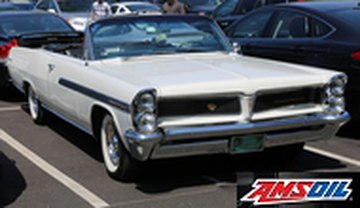
Maintaining the 5.7L Diesel Engine in a 1980 Pontiac LAURENTIAN
Proper engine care for a diesel-powered vehicle requires a different approach than traditional gasoline maintenance. For owners of the 1980 Pontiac LAURENTIAN equipped with the 5.7L Diesel engine, staying ahead of lubrication needs and routine inspections is essential for long-term operation. Because diesel engines operate under high compression and specific thermal conditions, the quality and consistency of your maintenance routines directly impact how the vehicle performs over time.Monitoring Fluid Integrity and Condition
One of the most effective ways to monitor the health of a 5.7L Diesel engine is through regular observation of its fluids. Rather than waiting for a scheduled service interval, an owner can gain significant insight by checking the condition of the oil during routine inspections. When examining the lubricant, look for changes in color or consistency. While diesel oil naturally darkens more quickly than gasoline-engine oil due to the nature of diesel combustion, it should still maintain a consistent texture. If the oil appears excessively gritty or shows signs of unusual thickening, it may indicate that the service interval has been exceeded or that there is an issue with the filtration process. Additionally, keep a close eye on any visible signs of leakage around the engine block and sealing surfaces. While some degree of seepage is common in older vehicles, active leaks can lead to unexpected fluid loss. Identifying these areas early allows for more controlled maintenance rather than reacting to a sudden loss of lubrication.Observing Potential Operational Changes
A vehicle's behavior often provides the first clues that something requires attention. For this 1980 Pontiac LAURENTIAN, owners should be attentive to any changes in how the engine sounds or operates during startup and idling. Unusual mechanical noises can sometimes be associated with lubrication issues or the need for component inspection. If you notice a change in exhaust characteristics, such as increased smoke, it warrants investigation. While diesel engines have distinct exhaust profiles, sudden shifts in what is being emitted can indicate changes in the combustion process or potential issues with engine seals. Similarly, if the vehicle exhibits signs of overheating, this should be addressed immediately, as thermal management is critical for maintaining the structural integrity of a diesel engine. It is important to remember that many symptoms—such as a change in noise or exhaust color—can have multiple underlying causes. These observations should be treated as prompts for a more thorough inspection rather than definitive diagnoses of a specific part failure.Prioritizing Long-Term Maintenance Decisions
As vehicles age, the strategy for maintenance often shifts from strictly following a calendar to assessing the actual condition of the machine. For an owner of a 1980 model, establishing a clear baseline is a helpful starting point. If you do not have a complete history of previous repairs and fluid changes, your first priority should be to document the current state of all major service items. When reviewing maintenance records, look for patterns. Consistent oil changes and filter replacements are the foundation of engine longevity. If records are incomplete, focus on addressing any active concerns—such as minor leaks or aging belts (if equipped)—before moving on to purely preventive measures. Distinguishing between necessary repairs and unnecessary parts replacement is a key skill in long-term ownership. Rather than replacing components simply because they have reached a certain age, use visual inspections to determine if the material shows signs of actual deterioration, such as cracking or fraying. This condition-based approach ensures that maintenance funds are directed toward the areas that truly need attention.Routine Inspection of Engine Compartment Components
A thorough walk-around of the engine compartment can reveal much about the vehicle's current needs. When performing these checks, focus on the following areas:- Sealing Surfaces and Gaskets: Inspect various connection points for signs of seepage or residue that might indicate a failing seal.
- Hoses and Connections: If present, check hoses for signs of hardening, cracking, or bulging. Flexible components can degrade over time due to heat cycles.
- Drive Belts: If the engine is equipped with accessible drive belts, inspect them for glazing, fraying, or surface cracks.
- Electrical Connections: Ensure that wiring harnesses and electrical connectors are secure and free from significant corrosion or damage.
- Air Filtration: A clean air intake system is vital for diesel efficiency. Inspect the air filter housing and the filter itself for debris or excessive contamination.
The Role of Lubrication in Diesel Engine Health
Lubrication serves several vital roles beyond simply reducing friction between moving parts. In a diesel application, the lubricant also plays a part in managing the thermal environment within the engine and helping to suspend any soot or combustion byproducts that enter the crankcase. Maintaining clean oil is essential for preventing the buildup of deposits. Over time, if oil is not changed according to the appropriate schedule, it can lose its ability to effectively manage these contaminants, potentially leading to the formation of sludge. Keeping the lubrication system clean helps ensure that all moving components remain adequately protected under various operating loads.Practical Advice for Buying Engine Oil for your 1980 Pontiac LAURENTIAN 5.7L
When it is time to replenish your engine's lubricant, accuracy in selection is paramount. Because different engines have specific requirements regarding additive packages and chemical compositions, you must ensure the product you choose is appropriate for this exact application. To select the correct oil, match the lubricant to the vehicle-specific viscosity and application information already displayed on this webpage. Do not rely on general automotive knowledge or assumptions based on the vehicle's age to determine the correct grade. When shopping, consider the following:- Verify the Label: Always check the product packaging to ensure it meets the specific requirements listed in your application guide.
- Consider Formulations: Depending on your engine's current condition and mileage, you may encounter options such as conventional, synthetic blends, or full synthetic oils. Refer to the information provided on this page to determine which is most suitable for your 5.7L Diesel.
- Check Certification: Ensure the oil meets the necessary quality standards and certifications required for diesel engine operation.