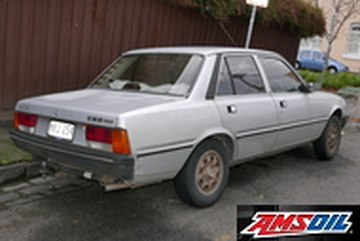
Maintaining Lubrication Standards for the 1980 Peugeot 505 2.3L
Owning a classic diesel vehicle like the 1980 Peugeot 505 with the XD2 engine requires a disciplined approach to routine maintenance. Because diesel engines operate under different thermal and mechanical stresses than gasoline counterparts, the quality and consistency of the engine oil are central to long-term engine health. Proper lubrication management helps mitigate the effects of heat and ensures that internal components remain protected during various operating conditions.
Monitoring Fluid Integrity and Condition
A proactive approach to maintenance involves regular visual assessments of the engine's fluids. For a vehicle of this age, observing the condition of the oil can provide early indicators of how the engine is performing. When checking the oil level, it is also useful to note the color and texture of the lubricant.
If the oil appears excessively dark or contains visible particulates, it may suggest that the service interval has been exceeded or that the filtration system requires attention. Furthermore, any signs of unusual fluid seepage around the engine block or sealing surfaces should be investigated. While some minor seepage is common in older engines, persistent leaks can lead to unexpected oil loss and potential mechanical issues. Inspecting gaskets and seals for evidence of weeping or active leaks is a fundamental part of a thorough inspection routine.
Observing Potential Operational Changes
Beyond visual inspections of the fluid itself, an owner should remain attentive to how the vehicle behaves during operation. Changes in engine behavior can sometimes be linked to lubrication status. For instance, if you notice changes in the smoothness of the engine or hear unusual mechanical noises that were not previously present, these symptoms warrant a closer investigation.
It is important to remember that various factors can cause changes in engine sound or performance; therefore, a single symptom should not be used to diagnose a specific component failure. However, if an oil-related warning indicator appears on the dashboard, it requires immediate attention. Additionally, monitoring for any unusual exhaust characteristics or signs of overheating can help identify if the engine is struggling with thermal management or lubrication consistency.
Prioritizing Long-Term Engine Care
As a vehicle ages, maintenance priorities often shift from simple part replacement to more comprehensive condition monitoring. For the 1980 Peugeot 505, establishing a clear baseline of the engine's current state is highly beneficial, especially if the previous service history is incomplete. By documenting every oil change, filter replacement, and fluid inspection, you create a reliable record that helps distinguish between normal aging and developing issues.
When managing an older diesel engine, focus on these key areas:
- Reviewing Service Records: Determine when the last major service was performed to ensure no critical maintenance tasks have been overlooked.
- Condition-Based Inspection: Rather than assuming components like hoses or belts are failing based solely on age, inspect them for actual signs of deterioration such as cracking, fraying, or glazing.
- Addressing Active Concerns: If any leaks or unusual noises are identified, prioritize these over general preventive tasks to prevent minor issues from escalating.
- Monitoring Consumption: Keep track of how much oil is required between service intervals to identify if the engine's consumption patterns are changing over time.
Managing Aging Engine Components
The components surrounding the engine, such as various hoses and belts (if equipped), require periodic scrutiny. Rubber-based components can become brittle or lose their flexibility over several decades. When performing routine checks, look for any signs of hardening, surface cracking, or swelling in accessible hoses. Similarly, if the vehicle is equipped with drive belts, inspect them for signs of wear or contamination that could affect their performance.
Electrical connections and wiring harnesses should also be checked for signs of corrosion or insulation breakdown, which can impact the overall reliability of the engine's management systems. Maintaining a clean engine bay can also make it significantly easier to spot new leaks or signs of thermal stress before they become problematic.
The Role of Effective Lubrication
Engine oil performs several vital roles that are essential for the continued operation of the XD2 diesel engine. Primarily, it provides a protective film between moving parts to reduce friction and wear. Beyond simple lubrication, the oil also plays a significant role in heat management by helping to carry thermal energy away from high-temperature zones within the engine.
Furthermore, modern oil formulations are designed to manage contaminants. As the engine operates, small amounts of combustion byproducts and other debris can enter the oil. A high-quality lubricant helps keep these elements in suspension, preventing them from settling and forming deposits that could interfere with engine operation. Maintaining clean oil through regular service intervals is one of the most effective ways to support the longevity of the engine's internal components.
Practical Guidance for Buying Engine Oil for your 1980 Peugeot 505 2.3L
When it is time to replenish your engine lubricant, accuracy in selection is paramount. Because different engines have specific requirements regarding additive packages and chemical stability, you must ensure the product you choose is appropriate for this exact application.
To select the correct oil, match the lubricant to the vehicle-specific viscosity and application information already displayed on this webpage. Do not rely on general automotive knowledge or assumptions based on the vehicle's age to determine the correct grade. When shopping, carefully check the product labels to verify that the oil meets the necessary specifications for a diesel engine of this era.
You may choose between various formulations, such as conventional, synthetic blends, or full synthetic oils, depending on what is indicated in your application information. Some high-mileage oil formulations also contain additives intended for use in aging engines, including seal-conditioning additives that may be beneficial for older sealing surfaces. Always prioritize the specific technical data provided in the application section of this page to ensure your 1980 Peugeot 505 2.3L receives the correct lubrication.