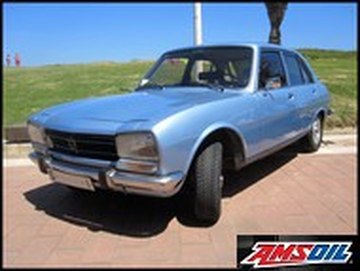
Maintaining Lubrication Standards for the 1980 Peugeot 504 2.3L
Owning a classic diesel vehicle like the 1980 Peugeot 504 with the XD2 engine requires a disciplined approach to routine maintenance. Because diesel engines operate under different thermal and mechanical stresses than gasoline counterparts, the quality and consistency of the engine oil are central to long-term engine health. Proper lubrication management ensures that internal components remain protected against friction and heat throughout the vehicle's service life.
Monitoring Fluid Integrity and Potential Seepage
As vehicles age, the integrity of various seals and gaskets can change due to thermal cycling and the natural aging of rubber and composite materials. For a 1980 Peugeot 504, regular visual inspections are an effective way to monitor the condition of the engine bay. Rather than waiting for a significant loss of fluid, owners should look for subtle signs of seepage around sealing surfaces.
When performing routine checks, pay close attention to the following areas:
- Sealing Surfaces: Inspect the areas where major engine components meet to check for any evidence of oily residue or dampness.
- Gasket Condition: Look for signs of weeping or slow seepage that may indicate a gasket is beginning to lose its ability to seal effectively.
- External Connections: Check various connection points and mounting areas for any traces of lubricant that might suggest a developing leak.
Identifying these minor issues early can prevent more significant mechanical complications later. If you notice any new or increasing signs of fluid presence in areas where it should not be, it warrants a closer investigation to determine the exact source.
Observing Operational Indicators
Beyond visual inspections of the engine bay, the way the vehicle behaves during operation can provide important clues regarding its lubrication status. It is essential to understand that various symptoms can have multiple underlying causes, so any change in behavior should be treated as a prompt for further inspection rather than an immediate diagnosis.
Owners should remain observant of several key indicators:
- Changes in Lubricant Appearance: If the oil appears significantly different in color or texture than usual, it may indicate contamination or extreme thermal stress.
- Unusual Noises: Any new mechanical sounds during startup or while the engine is running should be investigated to ensure all moving parts are receiving adequate lubrication.
- Exhaust Observations: Changes in the color or consistency of exhaust gases can sometimes be associated with the internal state of the engine and its lubrication system.
- Warning Indicators: Any dashboard alerts related to oil levels or pressure require immediate attention to prevent potential damage.
If any of these signs occur, a professional assessment is often necessary to accurately identify the cause and implement the correct solution.
Prioritizing Maintenance Through Documentation
For long-term ownership of a 1980 Peugeot 504, establishing a clear maintenance baseline is one of the most effective strategies available. If you have recently acquired this vehicle and do not have access to its full service history, your first priority should be to document every inspection, fluid change, and repair performed moving forward.
A well-maintained record serves several purposes:
- Tracking Trends: It allows you to see if oil consumption or seepage is increasing over time, which helps in predicting future maintenance needs.
- Informing Decisions: Having a history of what parts and fluids have been used makes it easier to maintain consistency in service.
- Verifying Service: Detailed records provide proof of consistent care, which is invaluable for the long-term preservation of the vehicle.
When historical records are incomplete, focus on addressing any active concerns—such as visible leaks or overdue fluid services—before moving into a strictly preventive maintenance routine. This approach ensures that you are managing the vehicle's current needs while building a foundation for its future reliability.
Managing Aging Components and Systems
Maintenance for a vehicle of this era should be based on the actual condition of the components rather than just the age of the car. While some parts may naturally degrade over decades, many can remain functional for a long time if kept in a controlled environment and properly maintained.
When inspecting the engine compartment, consider the following:
- Hoses and Lines: If present, inspect any rubber hoses for signs of hardening, cracking, or swelling.
- Drive Belts: If the engine is equipped with accessible drive belts, check them for glazing, fraying, or surface deterioration.
- Electrical Integrity: Inspect wiring and electrical connectors for signs of corrosion or brittle insulation, which can affect various engine functions.
- Air Filtration: Ensure that the air intake system is clean and that filters are free from excessive debris to maintain proper combustion efficiency.
By focusing on condition-based maintenance, you avoid the unnecessary expense of replacing parts that are still in good working order while ensuring that aging materials do not lead to unexpected failures.
Effective Lubrication Strategies for Diesel Engines
The XD2 diesel engine relies on high-quality lubrication to manage the specific pressures and temperatures inherent in diesel combustion. Maintaining the correct lubricant properties is vital for reducing friction and managing the heat generated during operation. While modern oil technologies offer various options, the most important factor is ensuring the lubricant meets the specific requirements of this 1980 application.
When considering different types of lubricants, keep in mind that:
- Formulations: Different formulations, such as synthetic blends or high-mileage oils, may offer different characteristics regarding seal conditioning and deposit control.
- Quality Standards: Always look for lubricants that meet current industry certifications to ensure they provide the necessary protection against oxidation and sludge buildup.
Rather than relying on general assumptions about what a diesel engine might need, always refer to the specific technical data provided for your exact vehicle configuration.
Buying Engine Oil for your 1980 Peugeot 504 2.3L
When you are ready to replenish the lubrication in your 1980 Peugeot 504 2.3L, the most critical step is to match the product to the application-specific information provided on this page. Do not attempt to select a viscosity based on general knowledge or similar engines, as the specific requirements for the XD2 diesel engine must be strictly followed.
To make an informed purchase, follow these practical steps:
- Verify Viscosity: Match the engine oil to the application-specific viscosity information shown above on this webpage.
- Check Product Labels: Before completing your purchase, confirm that the bottle label explicitly matches the required specifications for your vehicle.
- Consider Oil Type: Depending on your specific maintenance goals and the current condition of the engine, you may choose between conventional, synthetic blend, or full synthetic options, provided they meet the necessary application standards.
- Review Certifications: Ensure the oil carries the appropriate modern API or equivalent service classifications to guarantee it can handle the demands of the engine.
By adhering strictly to the technical data displayed in the application information section, you ensure that your 1980 Peugeot 504 receives the exact lubrication required for its continued operation.