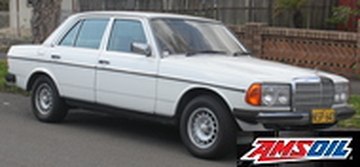
Maintaining Lubrication Standards for the 1980 Mercedes Benz 300D 3.0L
Proper engine maintenance is a cornerstone of long-term vehicle health, particularly for diesel engines like the 616.912 found in this 1980 Mercedes Benz 300D. Because these powerplants operate under specific thermal and mechanical conditions, the quality and consistency of the lubricant used can significantly influence how the engine performs over many years of service.
Monitoring Fluid Integrity and Condition
Regularly observing the state of your engine oil is one of the most effective ways to monitor the internal health of the 3.0L diesel engine. Rather than relying solely on scheduled intervals, an owner can gain valuable insights by performing periodic visual checks. When inspecting the lubricant, look for changes in color or consistency that might deviate from what is typical for a healthy engine.
If you notice any unusual appearance in the oil, it warrants further investigation. For example, a significant change in texture or the presence of unexpected particulates can be associated with various internal processes. Furthermore, observing the area around the engine for signs of seepage or leakage is a practical way to identify aging gaskets or seals before they become more significant issues. If any fluid accumulation is found on the exterior of the engine block or near sealing surfaces, it should be addressed to maintain a clean and well-monitored environment.
Observing Potential Operational Indicators
While many maintenance tasks are proactive, being attentive to how the vehicle behaves during operation can help identify needs that require attention. Changes in how the engine sounds or operates may indicate that the lubrication system requires service or that a component is beginning to show its age.
It is important to note that various symptoms can have multiple underlying causes. For instance, an unusual noise or a change in exhaust characteristics might be related to several different mechanical factors. If you notice any unexpected changes in engine behavior, it is best to investigate the cause through a professional inspection rather than attempting to diagnose the specific component yourself. Maintaining a consistent eye on these indicators allows for more informed decision-making regarding repairs and preventive care.
Prioritizing Maintenance Through Condition-Based Assessment
For an older vehicle such as this 1980 model, maintenance strategies often shift from strictly following a calendar to assessing the actual condition of the machine. This approach helps owners distinguish between necessary mechanical attention and unnecessary parts replacement. When managing the upkeep of a diesel engine, it is helpful to establish a baseline by reviewing any available service history or repair records.
If documentation of previous maintenance is incomplete, your first priority should be to create a clear record of all current fluid levels, filter changes, and observed mechanical conditions. This creates a foundation for future decisions. When deciding where to focus your efforts, address active leaks, visible signs of wear on accessible components, or any warning indicators that have recently appeared. By focusing on the actual state of the vehicle—such as the condition of hoses (if present) or the integrity of electrical connections—you can ensure that maintenance resources are directed toward the areas of highest importance.
Managing Aging Components and Materials
As vehicles age, the materials used in their construction undergo gradual changes. This applies to various parts of the engine compartment, including rubber-based components and various seals. When performing routine inspections, it is useful to look for signs of deterioration that are common in older applications.
If equipped, inspect accessible drive belts for any evidence of cracking, glazing, or fraying. Similarly, if the vehicle is equipped with various hoses, check them for signs of hardening or surface degradation. Inspecting these components allows you to identify potential issues before they lead to an interruption in service. This type of condition-based monitoring is a vital part of responsible ownership for any classic diesel application, ensuring that aging materials are replaced based on their actual state rather than just the passage of time.
The Role of Lubrication in Engine Longevity
Engine oil performs several essential roles that go beyond simple lubrication. It acts as a medium for heat management, helping to dissipate thermal energy away from critical internal areas. Additionally, it serves as a cleaning agent, carrying microscopic debris and combustion byproducts toward the filter to prevent them from accumulating within the engine.
Maintaining high oil quality is essential for managing these processes effectively. Consistent lubrication helps reduce friction between moving parts, which is vital for maintaining the mechanical efficiency of the 3.0L diesel engine. By ensuring that the lubricant remains fresh and meets the necessary specifications, you help protect the internal components from the effects of oxidation and thermal stress over long periods of operation.
Practical Guidance for Buying Engine Oil for your 1980 Mercedes Benz 300D 3.0L
When it is time to replenish your engine's lubricant, the most important step is to ensure that the product you select matches the specific requirements of your engine. Because different formulations offer different properties—such as synthetic, synthetic-blend, or high-mileage options—it is essential to verify that the chosen oil is appropriate for this 1980 Mercedes Benz 300D.
To make an informed purchase, follow these steps:
- Match Application Information: Always refer to the vehicle-specific oil viscosity and application information already displayed on this webpage. Do not rely on general knowledge or assumptions based on the engine size alone.
- Verify Product Labeling: Before completing your purchase, carefully check the product container to ensure the viscosity grade and service classifications align with the data provided in the application section of this page.
- Consider Formulation Types: While some owners may look at synthetic or high-mileage formulations, always prioritize the specific technical requirements listed for this 3.0L diesel engine over general marketing claims.
By strictly adhering to the application-specific information provided on this page, you can ensure that your lubrication choices support the continued operation of your vehicle.