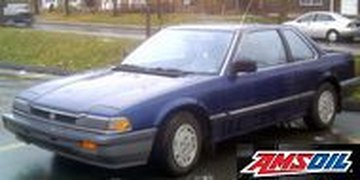
Engine Oil Maintenance for the 1983 Honda PRELUDE 1.8L
Maintaining the engine lubrication system is one of the most critical aspects of long-term vehicle care. For owners of a 1983 Honda PRELUDE with the 1.8L engine, using the correct oil viscosity and following consistent maintenance routines helps ensure the internal components remain properly lubricated under various operating conditions.
What oil does my 1983 Honda PRELUDE 1.8L take?
For this vehicle, the following products are listed: AMOQT-EA Premium Protection 10W-40 Synthetic Motor Oil and XLOQT-EA XL 10W-40 Synthetic Motor Oil.
Understanding Engine Oil Viscosity
Viscosity refers to a fluid's resistance to flow. In an internal combustion engine, the oil must be thin enough to circulate quickly during a cold start to reach critical components, yet thick enough to maintain a protective film when the engine reaches operating temperature. The 10W-40 viscosity listed for this application indicates how the oil behaves in different temperature ranges. The "W" stands for winter, representing the oil's flow characteristics in colder temperatures, while the second number represents the oil's viscosity at higher operating temperatures.
Choosing an oil that matches the requirements of your engine helps prevent excessive wear and ensures that the oil pump can effectively distribute lubrication to the camshafts, bearings, and other moving parts. Using an incorrect viscosity could lead to increased friction or insufficient oil pressure.
The Importance of Regular Oil Changes
Engine oil does not remain in perfect condition indefinitely. Over time, the additives within the oil—such as detergents, dispersants, and anti-wear agents—begin to break down due to heat and chemical exposure. Furthermore, oil naturally accumulates contaminants such as microscopic soot, combustion byproducts, and moisture.
As these contaminants build up, the oil loses its ability to clean the engine and protect metal surfaces from friction. To maintain the health of your 1983 Honda PRELUDE, you should follow the manufacturer's recommended maintenance schedule for oil change intervals. Regularly replacing old oil with fresh lubricant prevents the formation of sludge, which can clog narrow oil passages and lead to serious mechanical issues.
Monitoring Oil Levels and Condition
Checking your engine oil level is a simple but vital part of routine vehicle inspections. You should check the oil level using the dipstick located under the hood while the vehicle is on level ground. It is often best to check the level when the engine is cool or after it has been turned off for several minutes to allow the oil to settle in the pan.
When inspecting the oil on the dipstick, look for two things: the quantity and the quality. If the oil level is consistently low between changes, it may indicate a leak or that the engine is consuming oil. Additionally, observe the color and texture of the oil. While used oil will naturally darken, an extremely milky appearance can suggest moisture contamination, while a very gritty texture could indicate significant particulate buildup.
Identifying Potential Oil Leaks
Oil leaks can lead to low oil levels and environmental contamination. In older vehicles, leaks often occur at gasket interfaces or seal points. Common areas where oil might escape include the valve cover gasket, the oil pan gasket, or the crankshaft seals. If you notice oil spots on your driveway or smell burning oil while driving, it is important to inspect the engine bay for signs of seepage.
Small leaks can eventually become significant problems if they are not addressed. Maintaining a clean engine bay can make it easier to spot new leaks as they develop. If a leak is identified, addressing it promptly helps maintain the correct oil level and prevents oil from contacting other components, such as rubber hoses or belts, which could cause secondary damage.
The Role of the Oil Filter
Every time you change your engine oil, the oil filter should also be replaced. The filter is designed to trap contaminants and prevent them from recirculating through the engine. As a filter becomes saturated with debris, its efficiency decreases. In some cases, a heavily clogged filter can restrict oil flow, which may trigger a warning light or cause increased wear on internal components.
Using a filter that matches the specifications for your 1983 Honda PRELUDE ensures that the bypass valve and filtration media function as intended. A clean filter works in tandem with fresh oil to keep the lubrication system free of harmful particulates.
BUYING ENGINE OIL
When you are ready to purchase lubricant, look for products that match the specific viscosity requirements for your engine. For this application, refer to the listed 10W-40 options. Always check the packaging to ensure the product meets the necessary standards for your vehicle's needs. It is helpful to keep a record of the brand and type of oil you use to maintain consistency in your maintenance routine.