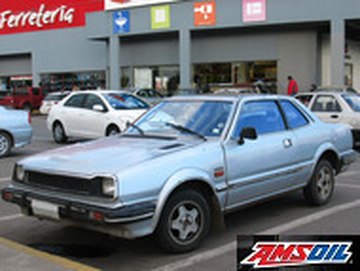
Lubrication Maintenance for the 1982 Honda PRELUDE 1.8L
Maintaining the engine lubrication system of a 1982 Honda PRELUDE with the 1.8L EK1 engine requires consistent attention to fluid condition and component integrity. As vehicles age, the way they manage heat and internal friction can change, making regular inspections and proper lubricant selection vital for continued operation.
Monitoring Fluid Condition and Potential Leaks
One of the most effective ways to monitor the health of the 1.8L engine is through regular visual inspections of the lubrication system. Owners should look for any signs of fluid seepage or active leaks around the engine block and associated sealing surfaces. Even small amounts of oil appearing on the exterior of the engine can indicate that a gasket or seal is beginning to lose its effectiveness due to age or heat cycles.
When performing these checks, it is helpful to look for:
- Evidence of oily residue on various engine surfaces.
- Drips or spots on the ground beneath where the vehicle is parked.
- Changes in the color or consistency of the oil when checked via the dipstick.
If you notice a significant change in how much oil the engine seems to use between service intervals, this warrants further investigation. While some consumption can occur as engines age, unexpected changes may indicate that internal components or external seals require attention. It is important to remember that various factors, including driving habits and operating temperatures, can influence these observations.
Managing Long-Term Engine Health
For an owner of a 1982 Honda PRELUDE, establishing a maintenance baseline is a practical way to manage the vehicle's longevity. If the previous service history of the EK1 engine is unknown, the first priority should be to document current fluid levels, the condition of all visible hoses and belts (if equipped), and any existing minor leaks. This documentation creates a reference point that makes it easier to identify when a new issue has developed.
As the vehicle continues through its years of service, maintenance priorities may shift from purely preventive tasks to condition-based monitoring. Rather than replacing components based solely on the age of the vehicle, focus on the actual state of the materials. For example, inspecting the flexibility of hoses or the surface condition of accessible belts can help determine if they are nearing the end of their functional life. This approach ensures that maintenance efforts are directed toward parts that actually show signs of wear, rather than replacing perfectly functional components.
Observing Potential Lubrication Warning Signs
While modern vehicles often rely on electronic sensors to alert drivers to issues, older engines require a more observant approach from the operator. Recognizing subtle changes in how the engine operates can prevent more significant mechanical concerns. If you notice unusual noises during startup or while the engine is idling, it may be worth investigating the lubrication state.
Additionally, keep an eye on any dashboard indicators that relate to engine operation. Any warning light associated with oil levels or pressure requires immediate attention. Beyond lights, a change in the smell of the engine bay—such as a scent that suggests oil is contacting a hot surface—can be a sign that a leak is present and needs to be addressed. Always treat these symptoms as indicators that require professional diagnosis rather than attempting to pinpoint a specific failed part without proper tools.
The Role of Clean Lubricant in Engine Protection
Engine oil performs several vital roles within the 1.8L engine architecture. Beyond simply reducing friction between moving parts, the lubricant helps manage heat by carrying thermal energy away from high-temperature areas. It also serves as a medium to suspend and transport microscopic contaminants, preventing them from settling and forming deposits that could interfere with engine operation.
Maintaining the cleanliness of this fluid is essential. Over time, even high-quality oil can accumulate combustion byproducts or moisture, which may gradually alter its ability to protect the engine. Regular changes ensure that the chemical additives designed to control oxidation and prevent sludge remain at effective concentrations. By prioritizing clean lubricant, you help maintain the internal environment necessary for smooth mechanical operation.
Practical Inspection of Engine Accessories
During routine service, it is beneficial to look beyond just the oil itself and inspect the components that support engine operation. If the vehicle is equipped with various drive belts, these should be checked for signs of deterioration such as cracking, glazing, or fraying. Similarly, if there are visible cooling hoses, inspecting them for softness, swelling, or brittleness can help prevent unexpected failures.
Checking electrical connections and wiring harnesses near the engine is also a wise practice. Ensuring that connectors are secure and free from corrosion helps maintain the integrity of the ignition and sensor systems. These small, proactive steps contribute to a more comprehensive understanding of the vehicle's overall mechanical condition.
Buying Engine Oil for your 1982 Honda PRELUDE 1.8L
When it is time to replenish the lubrication in your 1982 Honda PRELUDE 1.8L, the most important step is to match the lubricant to the specific requirements of your engine. Do not rely on general knowledge or assumptions based on the vehicle's age to select a grade. Instead, always refer to the application-specific oil viscosity and information provided on this webpage.
When shopping for products, consider the following practical tips:
- Verify that the oil meets the appropriate API certification listed in your documentation.
- Check the product labels carefully to ensure the viscosity matches what is required for your specific EK1 engine.
- Evaluate different formulations, such as conventional, synthetic blends, or full synthetics, based on the application information shown above.
- If you are managing an older engine with higher mileage, you may look into high-mileage formulations that include seal-conditioning additives, but always ensure they align with the required viscosity.
By strictly following the technical data provided for your specific vehicle, you ensure that the lubricant provides the correct level of protection and performance for your 1.8L engine.