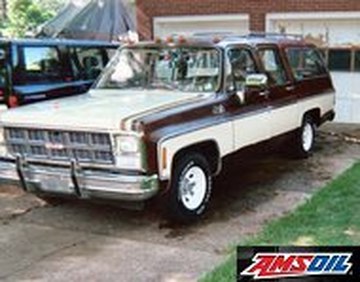
Maintaining the 5.7L Diesel Engine in a 1980 GMC Trucks Suburban
Owning a classic heavy-duty vehicle like the 1980 GMC Trucks Suburban requires a shift in mindset from modern automotive maintenance to a more observant, condition-based approach. When dealing with the 5.7L diesel engine found in this model, consistent attention to lubrication and fluid integrity is a cornerstone of long-term operation. Because diesel engines operate under different mechanical stresses than gasoline counterparts, understanding how to monitor and maintain your lubrication system is essential for preserving the engine's functional life.
Monitoring Lubrication Integrity and Fluid Condition
Regularly checking the condition of your engine oil provides a window into the overall health of the 5.7L diesel engine. Rather than relying solely on mileage, an owner should look for physical changes in the lubricant that might indicate something requires attention. For instance, if the oil appears excessively dark or has a significantly different texture than usual, it may warrant closer inspection.
While some level of discoloration is expected in diesel engines due to the nature of their combustion process, sudden changes can be telling. It is also useful to monitor for any unusual odors emanating from the crankcase area. If you notice signs of fluid seepage around various gaskets or seals, addressing these early can prevent more significant issues down the road. Always remember that a single symptom, such as an odor or a change in appearance, can have multiple underlying causes; therefore, these observations should be treated as prompts for further investigation rather than definitive diagnoses.
Practical Inspection Priorities for Aging Components
As vehicles from this era age, the materials used in various systems—such as rubber hoses and belts—can undergo changes in flexibility and structural integrity. When performing routine service on your 1980 GMC Trucks Suburban, it is beneficial to conduct a thorough visual survey of the engine compartment.
If equipped, inspect all accessible drive belts for signs of wear, such as cracking, glazing, or fraying. Similarly, if present, examine the condition of various hoses for any evidence of hardening, swelling, or surface deterioration. Checking electrical connections and wiring harnesses for signs of corrosion or brittle insulation is also a prudent step in preventing unexpected electrical issues. By identifying these aging components through regular visual checks, you can move from reactive repairs to more controlled, preventive maintenance.
Establishing a Maintenance Baseline
For many owners of vintage diesel vehicles, the service history may not be complete or clearly documented. In such cases, the first step in effective ownership is establishing a maintenance baseline. This involves performing a comprehensive inspection of all fluids and mechanical components to determine their current state.
Once you have assessed the current condition of the engine, its cooling system, and its various seals, you can begin keeping detailed records of your own observations and repairs. Documenting when you last changed the oil, replaced a filter, or addressed a minor leak allows you to track patterns over time. This historical data becomes invaluable for distinguishing between normal aging and actual mechanical decline, helping you prioritize which maintenance tasks require immediate attention and which can be monitored through continued observation.
Managing Long-Term Engine Health
Effective long-term maintenance for a 1980 GMC Trucks Suburban involves prioritizing tasks based on the actual condition of the vehicle rather than arbitrary age milestones. If you discover an active leak or notice a change in how the engine behaves, these should be addressed before moving on to general preventive tasks.
A key part of this strategy is monitoring fluid consumption. While all engines may consume small amounts of lubricant over time, any noticeable increase in the frequency of top-offs should be investigated. Furthermore, keeping a close eye on the engine's operating temperature and looking for any evidence of overheating can prevent significant damage to internal components. By focusing on these high-impact areas—leaks, consumption, and temperature—you can manage the maintenance needs of your 5.7L diesel engine in a way that is both practical and cost-effective.
Observing Potential Warning Signs
Being an attentive operator means recognizing when the vehicle is signaling a need for service. In a diesel application, certain indicators should never be ignored. For example, if you notice unusual mechanical noises during startup or while idling, this warrants a professional inspection to determine the source. Similarly, any unexpected changes in exhaust characteristics can sometimes be associated with the state of the engine's internal components or its lubrication levels.
If an oil-related warning indicator appears on your dashboard, it requires immediate investigation. It is important to approach these signs with a diagnostic mindset; for example, a visible leak might indicate a failing seal, but it could also be related to a loose mounting or a damaged hose. By treating symptoms as clues rather than certainties, you can work more effectively with service professionals to resolve issues accurately.
Buying Engine Oil for your 1980 GMC Trucks Suburban 5.7L
When it is time to replenish your engine's lubrication, the most important step is ensuring that the product you select matches the specific requirements of your engine. To ensure proper protection and performance, match the engine oil to the application-specific viscosity information already displayed on this webpage.
As you shop for lubricants, consider the different formulations available. While many owners use conventional oils, there are also synthetic blends and full synthetic options that offer different properties regarding thermal stability and deposit control. Some high-mileage oil formulations contain additives intended for use in aging engines, including seal-conditioning additives that may be beneficial for older seals. Always verify the API certification on the product label to ensure the oil meets modern quality standards. Regardless of which formulation you choose, always prioritize the specific viscosity and application details provided in the technical data above to ensure your 1980 GMC Trucks Suburban 5.7L receives the correct lubrication.