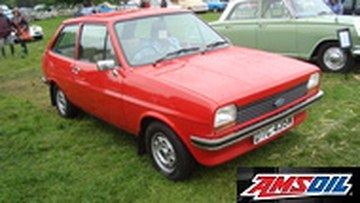
Lubrication Maintenance for the 1980 Ford FIESTA 1.6L
Maintaining the engine lubrication system in a vehicle of this age requires a focus on consistent monitoring and proactive inspection. For the 1980 Ford Fiesta equipped with the 1.6L (1597cc) engine, regular attention to fluid condition and potential leaks is essential for long-term operational stability.
Understanding the 1.6L Engine Context
The 1.6L engine found in this era of Ford Fiesta represents a specific period of automotive engineering where mechanical simplicity was a hallmark. Because these engines have been in service for several decades, the integrity of various seals and the cleanliness of the internal lubrication pathways are primary concerns for any owner or technician performing routine maintenance.
Selecting an Appropriate Lubricant
When choosing an engine oil, it is vital to match the product to the specific requirements of your engine. Rather than relying on general automotive trends, you should always refer to the vehicle-specific oil viscosity and application information provided on this webpage.
Modern lubricant technology offers several paths for maintenance:
- Conventional Oils: Standard mineral-based oils that provide reliable protection under normal operating conditions.
- Synthetic and Synthetic Blends: These formulations may offer different levels of thermal stability and resistance to oxidation compared to conventional options.
- High-Mileage Formulations: Some high-mileage oil formulations contain additives intended for use in aging engines, such as seal-conditioning agents that may help maintain the pliability of older gaskets.
Always verify that any lubricant you select meets the appropriate API service classifications to ensure it provides the necessary level of engine protection.
The Role of Consistent Oil Service
Engine oil performs several vital functions that go beyond simple lubrication. It helps manage heat by absorbing thermal energy from various internal components and assists in cleaning the engine by carrying away microscopic debris. Over time, even with regular changes, oil can undergo chemical changes or become contaminated, which may lead to the formation of deposits. Maintaining fresh lubricant ensures that friction remains minimized and that the engine operates as efficiently as possible.
Observing Potential Warning Signs
Owners should remain vigilant for any changes in how the vehicle operates. While symptoms can have multiple causes and require professional diagnosis, certain signs warrant immediate investigation:
- Fluid Leaks: Any visible pooling of oil under the vehicle or seepage around engine components should be addressed.
- Changes in Oil Appearance: If the lubricant appears excessively dark, gritty, or shows signs of contamination, it may indicate a need for service.
- Unusual Noises: Changes in the mechanical sound of the engine can sometimes be associated with lubrication issues.
- Indicator Lights: Any dashboard warnings related to oil levels or pressure require immediate attention to prevent potential damage.
Age-Related Inspection Priorities
As a vehicle reaches this stage of its lifecycle, certain components naturally require more frequent visual checks. It is prudent to inspect the condition of various hoses and belts, if equipped, for signs of cracking, glazing, or fraying. Additionally, checking the condition of electrical connections and ensuring that the air filtration system is clean can prevent secondary issues from affecting engine performance. If you notice any evidence of previous overheating or inconsistent maintenance in the vehicle's history, a thorough inspection of all fluid-carrying components is recommended.
Practical Service Inspections
During routine service intervals, such as an oil change, use the opportunity to perform a broader visual survey of the engine bay. Check for signs of seepage around various gaskets and seals. Inspecting the area around the drain plug and the sealing surfaces of the oil filter (if equipped) can help ensure that recent service was performed correctly and that no new leaks have developed. Monitoring the condition of the cooling system, including hoses and visible connections, is also a valuable part of a comprehensive inspection routine.
Establishing a Maintenance Baseline
For owners of a 1980 Ford Fiesta where the full service history may be unknown, establishing a maintenance baseline is a highly effective strategy. This involves documenting all current fluid levels, the condition of major components, and any observed leaks or noises. By keeping detailed records of every oil change, filter replacement, and repair, you create a roadmap that helps distinguish between normal aging and developing mechanical issues. Consistent record-keeping allows you to identify patterns in fluid consumption or component wear over time.
Prioritizing Long-Term Engine Care
Effective long-term ownership is based on condition-based maintenance rather than simply following age-based assumptions. Instead of replacing parts solely because the vehicle is decades old, prioritize tasks based on what you observe during inspections. Address active leaks or changes in fluid quality first. By distinguishing between necessary preventive maintenance and unnecessary parts replacement, you can manage the upkeep of the 1.6L engine in a way that is both practical and focused on the actual needs of the vehicle.
Guidance for Buying Engine Oil for your 1980 Ford FIESTA 1.6L
When you are ready to purchase new lubricant, do not make assumptions based solely on the age of the vehicle or general market availability. The most important step is to match the oil you buy to the application-specific viscosity and requirements listed in the technical information above. Before completing your purchase, check the product labels carefully to ensure the oil meets the necessary quality standards and that it aligns with the specific needs of your 1.6L engine.