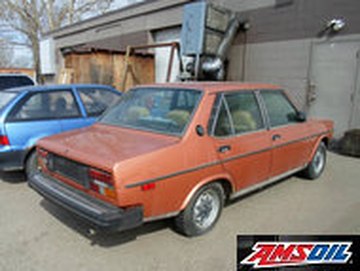
Lubrication Maintenance for the 1980 Fiat BRAVA 2.0L
Understanding the 1997cc Engine Configuration
The 1980 Fiat BRAVA utilizes a 2.0L engine with a displacement of 1997cc. Maintaining this powerplant requires an understanding of its specific mechanical needs and ensuring that all lubrication tasks are performed according to the requirements of this particular engine architecture. Because this vehicle represents a specific era of automotive engineering, routine care focuses on preserving the integrity of existing components and managing the effects of long-term operation.
Selecting Lubricants for Engine Longevity
When choosing an oil for this 2.0L application, it is essential to prioritize the specifications provided in the technical data on this page. Rather than relying on general automotive trends, match your lubricant choice to the vehicle-specific viscosity and application information displayed above.
Modern lubricant technology offers several paths for maintenance:
- Conventional Oils: Standard mineral-based oils that provide reliable protection under normal operating conditions.
- Synthetic and Synthetic Blends: These formulations can offer improved thermal stability and resistance to oxidation, which helps maintain oil integrity over time.
- High-Mileage Formulations: Some high-mileage oil formulations contain additives intended for use in aging engines, such as seal-conditioning agents that may assist in maintaining the flexibility of older gaskets.
Always verify that any product you select meets current API service standards to ensure adequate deposit control and engine cleanliness.
The Role of Proper Lubrication
Engine oil performs several vital functions that are necessary for the continued operation of the 1997cc engine. Beyond simple lubrication, the fluid acts as a medium for heat management by absorbing thermal energy from internal components and carrying it away to the oil pan. Furthermore, clean oil helps mitigate the buildup of sludge and deposits that can occur when oil breaks down due to heat or contamination. Maintaining consistent lubricant quality is a primary method for reducing friction and ensuring the engine operates smoothly.
Observing Potential Warning Signs
Owners should remain vigilant for indicators that suggest the lubrication system requires attention. While symptoms can have multiple causes, certain observations warrant closer investigation:
- Fluid Leaks: Any visible evidence of oil pooling under the vehicle or seeping from various engine areas should be addressed.
- Changes in Appearance: If the oil appears excessively dark, gritty, or shows signs of contamination, it may indicate a need for more frequent changes.
- Unusual Noises: Changes in the mechanical sound of the engine can sometimes be associated with lubrication issues.
- Exhaust Observations: While not always a direct indicator of oil health, unusual smoke from the exhaust should be investigated to rule out internal issues.
Age-Related Inspection Priorities
As a vehicle from 1980, certain components may require more frequent visual monitoring due to the natural aging of materials. It is practical to inspect accessible hoses and belts (if equipped) for signs of cracking, glazing, or fraying. Additionally, checking the condition of electrical connections and ensuring that the air filtration system is clean can prevent secondary issues from affecting engine performance. Rather than assuming parts have failed, use these visual checks to monitor the actual condition of the components currently installed on the vehicle.
Establishing a Maintenance Baseline
For many owners of a 1980 Fiat BRAVA, the most effective way to manage long-term maintenance is to establish a clear baseline. If the previous service history of the 2.0L engine is unknown, begin by documenting all current fluid levels, filter conditions, and any existing minor leaks. Keeping a detailed log of every oil change, filter replacement, and observed repair creates a roadmap for future service. This record-keeping allows you to distinguish between routine maintenance and new developments in the vehicle's condition, making it easier to prioritize repairs based on actual necessity rather than guesswork.
Practical Strategies for Long-Term Care
Effective ownership of an older vehicle involves prioritizing tasks based on the current state of the machine. If you notice active seepage or a change in how the engine operates, these should be addressed before performing non-essential cosmetic or secondary maintenance. Monitoring fluid consumption is also a helpful practice; if you find you are needing to top off fluids more frequently than in the past, it provides an opportunity to inspect seals and gaskets for age-related wear. By focusing on condition-based maintenance, you can manage the vehicle's needs effectively without replacing components that are still performing their intended function.
Guidance for Buying Engine Oil for your 1980 Fiat BRAVA 2.0L
To ensure the best possible care for this engine, always consult the application-specific viscosity information provided on this webpage before making a purchase. When you are ready to buy engine oil, check the product labels carefully to confirm they align with the requirements listed here. Whether you choose a conventional, synthetic blend, or high-mileage formulation, the most important factor is matching the lubricant to the specific technical data for this 1997cc engine. Avoid making assumptions based on the vehicle's age or general market availability; instead, rely on the verified specifications shown in the application information above.