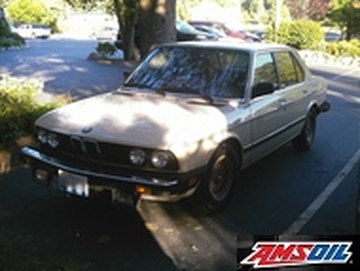
Maintaining Lubrication Integrity for the 1983 BMW 528e 2.7L
Proper engine care for a vehicle like the 1983 BMW 528e requires a disciplined approach to fluid management and component inspection. With the M20 B27 engine, maintaining the correct lubrication standards is a fundamental aspect of long-term ownership. Because mechanical components rely on consistent fluid properties to operate efficiently, understanding how to monitor and manage these systems is essential for any owner or technician.
Monitoring Fluid Condition and Potential Leaks
One of the most effective ways to assess the health of an engine is through regular visual inspections of the lubrication system. For a vehicle of this age, it is practical to look for signs of fluid seepage around various sealing surfaces. While some level of minor residue can occur over decades of operation, any active dripping or significant pooling warrants immediate investigation.
When performing routine checks, consider the following areas:
- Sealing Surfaces: Inspect gaskets and seals for signs of age-related seepage. Even if a leak is not currently dripping, a damp appearance on an engine component can indicate that a seal is beginning to lose its effectiveness.
- Drain Areas: Check the area around the oil drain plug and the filter mounting area to ensure there is no evidence of recent or ongoing leakage.
- External Components: Look for any signs of fluid migration onto other parts of the engine, which can sometimes lead to odors when the engine reaches operating temperature.
If you notice a change in the appearance of the oil—such as an unusual color or texture—this may indicate contamination or that the lubricant has reached the end of its effective service life. Always treat unexpected changes in fluid behavior as a prompt for a more thorough mechanical inspection.
Managing Long-Term Engine Health
As vehicles age, maintenance priorities often shift from strictly following a schedule to managing the actual condition of the components. For the 1983 BMW 528e, this means using the current state of the vehicle to guide your service decisions rather than relying solely on assumptions about its age.
Establishing a maintenance baseline is particularly useful if the previous service history of the M20 B27 engine is incomplete. By performing a comprehensive inspection of all fluids and accessible mechanical parts, you can create a clear picture of what has been maintained and what may require attention. This approach allows an owner to distinguish between necessary preventive maintenance and unnecessary part replacement.
When reviewing service records, pay close attention to the consistency of fluid changes and the types of lubricants used in the past. If records are unavailable, prioritize addressing any active warning signs or visible leaks first. Monitoring for changes in how much lubricant the engine seems to use during normal operation is also a helpful way to track the condition of internal components over time.
Observing Potential Warning Signs
While many issues can be identified through scheduled inspections, some symptoms may appear more suddenly. It is important to recognize that a single symptom can have multiple underlying causes, and an owner should not attempt to diagnose a specific component failure based on one observation alone.
Be observant of the following:
- Unusual Noises: Any new or persistent mechanical sounds during engine operation should be investigated by a professional.
- Fluid Consumption: If you find that you are needing to add lubricant more frequently than in previous months, this warrants an inspection of the engine's sealing integrity and overall condition.
- Warning Indicators: Any dashboard indicators related to engine operation or fluid levels require immediate attention to prevent potential damage.
If a burning odor is detected, it may indicate that lubricant is contacting a hot surface. Rather than assuming a specific gasket has failed, use these observations as a starting point for a systematic diagnostic process.
Practical Inspection of Auxiliary Components
Beyond the engine oil itself, other components within the engine bay require periodic attention to ensure the entire system operates smoothly. For example, if equipped, accessible drive belts should be inspected for signs of deterioration such as cracking, glazing, or fraying. Similarly, if present, rubber hoses should be checked for softness, swelling, or cracks that could lead to a loss of pressure or fluid.
Electrical connections and wiring also benefit from regular visual checks. Ensuring that connectors are secure and free from corrosion can prevent intermittent issues that might otherwise be difficult to diagnose. By combining these checks with your lubrication maintenance, you create a more comprehensive approach to vehicle care.
The Role of Lubricant Quality and Stability
The effectiveness of an engine's lubrication system is heavily dependent on the chemical stability of the oil being used. A high-quality lubricant must be able to resist oxidation and maintain its viscosity across various operating temperatures. This resistance helps prevent the formation of deposits or sludge, which can accumulate in the engine over time if the oil breaks down.
When selecting a product, consider the benefits of different formulations. Some high-mileage oil formulations contain additives intended for use in aging engines, and some high-mileage formulations include seal-conditioning additives that may assist in maintaining the integrity of older seals. While these can be useful, the primary goal is always to match the lubricant to the specific requirements of the M20 B27 engine as outlined in your application documentation.
Buying Engine Oil for your 1983 BMW 528e 2.7L
When you are ready to purchase new lubricant, the most important step is to ensure that the product matches the specific requirements of your vehicle. Do not rely on general automotive knowledge or assumptions based on the age of the car to select a grade.
To ensure proper maintenance, follow these steps when buying engine oil for your 1983 BMW 528e 2.7L:
- Match Application Information: Use the vehicle-specific oil viscosity and application information already displayed on this webpage to guide your selection.
- Verify API Certification: Check the product label to ensure the oil meets current quality standards and certifications.
- Evaluate Formulations: Depending on your specific needs and the condition of your engine, you may choose between conventional, synthetic blend, or full synthetic options, provided they align with the application data shown above.
- Check Labels Carefully: Always verify that the viscosity grade on the bottle is exactly what is required for your 2.7L engine before completing your purchase.