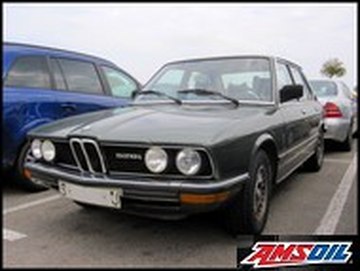
Maintaining Lubrication Standards for the 1981 BMW 528i 2.8L
Proper engine care for a vehicle like the 1981 BMW 528i involves more than just following a schedule; it requires an understanding of how different components interact over time. The M30 B28 engine is a significant part of this vehicle's identity, and maintaining its internal health depends heavily on the quality and consistency of the lubricants used during routine service.
Monitoring Engine Health Through Fluid Observation
Regularly checking the condition of your engine oil can provide valuable insights into the overall state of the 2.8L powerplant. While many owners focus solely on the volume of oil, the physical characteristics of the lubricant are equally important. When performing a routine check, observe the following:
- Color and Clarity: Significant changes in the color or clarity of the oil can be an indicator of how the engine is operating. Extremely dark or opaque oil may suggest long intervals between services or heavy soot accumulation.
- Consistency: The texture of the oil should remain uniform. If the lubricant appears gritty or contains visible particulates, it warrants immediate investigation to determine the source of the contamination.
- Odor: While some scent is normal for used oil, unusual or pungent odors can sometimes be associated with internal combustion issues or the presence of other fluids within the crankcase.
It is important to remember that these observations are diagnostic starting points rather than definitive conclusions. A change in oil appearance may indicate various underlying conditions, and a professional inspection is often necessary to confirm a specific cause.
Practical Inspection of Aging Components
As a vehicle from the early 1980s ages, certain peripheral components require more frequent visual monitoring. Rather than assuming parts are failing based solely on the age of the car, maintenance should be driven by the actual condition of the materials found during inspection.
When working near the engine bay, inspect all accessible hoses and connections for signs of degradation. Rubber components can become brittle or soft over many years, which may lead to leaks or loss of integrity. Similarly, if the vehicle is equipped with various drive belts, check them for evidence of cracking, glazing, or fraying. Such wear can impact the reliability of accessory-driven systems.
Furthermore, look for any signs of fluid seepage around sealing surfaces. While minor weeping is not uncommon in older engines, active leaks should be addressed to prevent oil loss and potential contamination of other engine components. Checking electrical connections and wiring harnesses for signs of heat damage or corrosion is also a prudent step during long-term ownership.
Prioritizing Maintenance Based on Current Condition
For owners of a 1981 BMW 528i, effective maintenance management involves distinguishing between necessary repairs and unnecessary parts replacement. If you are managing a vehicle with an incomplete service history, the first priority should be establishing a baseline of known good working components.
Reviewing any available repair records can help identify which systems have been recently addressed and which may require closer attention. If documentation is unavailable, focus on addressing active warning signs—such as visible leaks or unusual noises—before moving toward more complex preventive measures. This condition-based approach ensures that maintenance efforts are directed where they will provide the most immediate benefit to the engine's longevity.
Keeping a detailed log of all fluid changes, filter replacements, and mechanical repairs is one of the most effective ways to manage an older vehicle. A well-documented history allows you to track patterns in oil consumption or component wear, making it easier to predict future service needs rather than reacting to unexpected failures.
The Role of High-Mileage Formulations
As engines undergo many years of thermal cycling and mechanical operation, the composition of the lubricant used can be a point of consideration. Some high-mileage oil formulations are designed with specific additives intended for use in aging engines. These seal-conditioning additives are sometimes included to help maintain the integrity of various gaskets and seals that may have become less effective over time.
While these formulations can be a useful tool for managing older engines, they should be selected based on the current state of the vehicle. If an engine is already experiencing significant leakage, specialized oil additives may not be a substitute for mechanical repairs. Understanding how different lubricant types interact with aging materials allows for more informed maintenance decisions.
Effective Strategies for Long-Term Engine Care
Maintaining the 2.8L M30 engine requires a proactive rather than reactive mindset. Beyond simple oil changes, long-term care involves monitoring the entire environment in which the engine operates. This includes ensuring that the cooling system is functioning efficiently to prevent heat-related stress on the lubricant and internal components.
Consistent monitoring of fluid levels—not just engine oil, but also coolant and other essential fluids—is vital. Any sudden change in how much oil or coolant the vehicle consumes should be investigated promptly. By catching small changes early, owners can often avoid more extensive mechanical complications later on. This disciplined approach to observation is what separates routine service from true preventative maintenance.
Buying Engine Oil for your 1981 BMW 528i 2.8L
When it is time to replenish the lubrication in your engine, accuracy in selection is paramount. To ensure the best possible protection for the M30 B28 engine, you must match the lubricant to the specific requirements of your application.
Do not rely on general automotive knowledge or assumptions based on the vehicle's age to select a grade. Instead, refer directly to the vehicle-specific oil viscosity and application information provided on this webpage. This ensures that the lubricant you purchase meets the exact standards necessary for your specific engine configuration.
When shopping for products, always verify the labeling on the container. You may choose between conventional, synthetic blend, or full synthetic oils depending on what is indicated in your application data. If your vehicle shows signs of significant age, you might also consider high-mileage formulations that include seal-conditioning additives, provided they align with the information shown above. Always prioritize oil quality and ensure the product meets the appropriate service classifications for your 1981 BMW 528i.