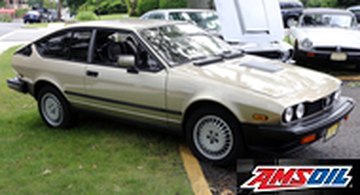
Maintaining Lubrication Integrity for the 1983 Alfa Romeo GTV6 2.5L
Owning a vehicle like the 1983 Alfa Romeo GTV6 requires an attentive approach to mechanical preservation. Because this vehicle features a specific 2.5L engine configuration, routine maintenance is not merely about following a schedule but about understanding the current condition of various mechanical systems. Proper lubrication management is a cornerstone of long-term engine health and operational stability.
Monitoring Fluid Condition and Potential Seepage
A primary aspect of maintaining an older vehicle involves regular visual inspections to identify any changes in how fluids behave. For the 1983 Alfa Romeo GTV6, owners should periodically examine the engine bay for signs of fluid seepage. This does not necessarily indicate a catastrophic failure, but rather provides data on the state of various gaskets and seals.
When performing inspections, look for:
- Dampness or residue around sealing surfaces.
- Evidence of weeping from connection points.
- Accumulations of grime that may be masking active leaks.
If any unexpected fluid presence is noted, it warrants a closer investigation to determine the source. It is also beneficial to monitor the appearance of the engine oil itself. Significant changes in color or texture can sometimes be associated with internal processes or environmental factors, and such observations should be documented alongside any service performed.
Systematic Inspection of Aging Components
As vehicles age, certain materials naturally undergo changes in their physical properties. For a 1983 model, it is practical to move away from assumptions based solely on the vehicle's age and instead focus on the actual condition of the components. This condition-based approach helps distinguish between parts that are functioning correctly and those that require attention.
If equipped, accessible drive belts should be inspected for signs of wear such as cracking, glazing, or fraying. Similarly, if present, rubber hoses should be checked for excessive softness, hardening, or visible deterioration. Electrical connections and wiring harnesses should also be examined for any signs of brittleness or corrosion that could affect the vehicle's electrical integrity.
By prioritizing these inspections, an owner can transition from reactive repairs to a more proactive maintenance stance. This involves identifying potential issues before they manifest as operational interruptions.
Establishing a Maintenance Baseline
For many owners of classic or enthusiast vehicles, the complete service history may not always be readily available. In such cases, the first priority is establishing a maintenance baseline. This process involves performing a thorough assessment of the vehicle's current state to create a starting point for all future care.
To establish this baseline, consider the following steps:
- Reviewing Available Records: Even partial documentation can provide clues about what has been addressed and what may have been overlooked.
- Comprehensive Fluid Analysis: Checking the clarity, level, and scent of all vital fluids provides an immediate snapshot of engine health.
- Documenting Current Observations: Keep a detailed log of every inspection, noting any minor seepage or component wear observed during the initial assessment.
Once this baseline is set, any future deviations—such as a new leak or a change in how the engine sounds—become much easier to identify and address. This systematic record-keeping is essential for making informed decisions about whether a component needs simple monitoring or more immediate service.
Interpreting Potential Warning Signs
It is important to recognize that various symptoms can have multiple underlying causes. If the 1983 Alfa Romeo GTV6 exhibits unusual behavior, it should be treated as an indicator for investigation rather than a definitive diagnosis of a specific part failure.
For example, if you notice an unusual odor during operation, this may indicate that fluid is contacting a hot surface. If the engine displays unexpected mechanical noises, this warrants a professional inspection to determine the source. Similarly, any changes in how the vehicle consumes fluids should be tracked closely. An increase in consumption can be associated with various factors ranging from seal condition to internal wear.
Always approach symptoms with a diagnostic mindset. Rather than assuming a specific component has failed, use these signs as prompts to perform more detailed inspections or to consult technical documentation relevant to the 2.5L engine.
Prioritizing Long-Term Engine Care
Effective long-term ownership involves distinguishing between preventive maintenance and unnecessary parts replacement. Not every aging component requires immediate intervention; some simply require consistent monitoring. The goal is to address active concerns—such as visible leaks or clear warning signs—while maintaining a steady schedule for routine tasks.
A useful strategy is to categorize maintenance tasks into "immediate," "monitor," and "scheduled." Immediate tasks include addressing any active fluid leaks or significant component wear. Monitor tasks involve components that show early signs of aging but are still functioning within parameters. Scheduled tasks follow the established intervals for routine service. This tiered approach ensures that resources are directed where they are most needed to maintain the vehicle's integrity.
Buying Engine Oil for the 1983 Alfa Romeo GTV6 2.5L
When it is time to replenish the lubrication in your engine, selecting a product that aligns with the specific requirements of your application is vital. Because different formulations offer different properties, you should make your selection based on the technical data provided for your exact vehicle.
To ensure you are choosing the correct lubricant, follow these guidelines:
- Match Application Data: Always refer to the vehicle-specific oil viscosity and application information already displayed on this webpage. Do not rely on general knowledge or assumptions based on the engine displacement.
- Evaluate Formulations: Depending on your specific needs and the current condition of the engine, you may choose between conventional, synthetic blends, or full synthetic oils. Some high-mileage oil formulations also contain additives intended for use in aging engines, including seal-conditioning additives.
- Verify Product Labels: Before completing a purchase, carefully check the product packaging to ensure the viscosity and service classifications match the information provided in your vehicle's documentation.
By strictly adhering to the application-specific information shown on this page, you can ensure that the lubrication provided is appropriate for the 1983 Alfa Romeo GTV6 2.5L engine.