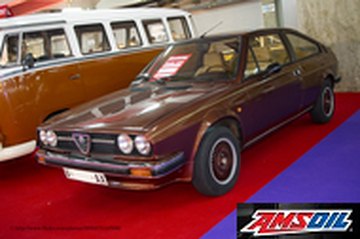
Maintaining Lubrication Standards for the 1981 Alfa Romeo SPIDER VELOCE 2.0L
Owning a classic Italian roadster requires a disciplined approach to mechanical upkeep. For the 1981 Alfa Romeo SPIDER VELOCE, which utilizes a 1962cc engine, consistent attention to lubrication is a fundamental aspect of preserving the vehicle's operational integrity. Because these engines are designed with specific tolerances and thermal characteristics, following a structured maintenance routine ensures that all moving parts remain properly protected under various driving conditions.
Monitoring Fluid Integrity and Condition
A primary responsibility for any owner is the regular assessment of engine oil condition. Rather than waiting for a scheduled service interval, performing periodic checks can provide early insight into how the engine is operating. When inspecting the lubricant, look for changes in color or texture that might deviate from the standard appearance of fresh oil.
If the oil appears excessively dark or contains visible particulate matter, it may indicate that the lubricant has reached the end of its effective service life or that internal components are shedding microscopic debris. Furthermore, any unusual odor or a milky consistency in the oil warrants immediate investigation, as these can be associated with various internal engine states. Maintaining a clean and uncontaminated lubrication system is essential for preventing the buildup of deposits that can interfere with mechanical movement.
Observing Potential Warning Signs
Effective maintenance involves being attentive to how the vehicle behaves during operation. While many issues develop gradually, certain symptoms should prompt a closer inspection of the engine bay. For instance, if you notice any evidence of fluid seepage around the engine block or near various sealing surfaces, it is important to identify the source promptly. Seepage can lead to unexpected oil loss, which may impact the lubrication levels required for safe operation.
Additionally, pay attention to any changes in how the engine sounds during startup or while idling. Unusual mechanical noises can sometimes be linked to insufficient lubrication or changes in the viscosity of the fluid being used. It is also useful to monitor the vehicle for any signs of overheating, as thermal management and lubrication are closely related; an engine that runs consistently hot may degrade its oil more rapidly than one operating within normal temperature ranges.
Prioritizing Long-Term Engine Care
As a vehicle from 1981 ages, the strategy for maintenance should shift from simple part replacement to a more holistic view of the vehicle's condition. For the SPIDER VELOCE, this means using the current mechanical state of the engine to dictate service priorities rather than relying solely on the age of the car. If you are stepping into ownership without a complete service history, establishing a maintenance baseline is a logical first step.
This process involves:
- Reviewing any available documentation regarding previous repairs or fluid changes.
- Conducting a thorough inspection of all accessible hoses and belts, if equipped, to check for signs of cracking, glazing, or fraying.
- Checking the condition of electrical connections and wiring to ensure they are secure and free from corrosion.
- Monitoring how often the vehicle requires oil top-offs, which can help track consumption trends over time.
Inspection of Aging Components
With a vehicle of this vintage, certain materials are subject to environmental and thermal degradation over time. When performing routine service, it is beneficial to look beyond just the oil and filter. Inspecting gaskets and seals for signs of age-related seepage is a proactive way to manage potential leaks before they become problematic. Even if no active leak is visible, the physical condition of these components should be noted during every engine bay inspection.
If the vehicle is equipped with various drive belts or cooling system hoses, these should be examined for any loss of flexibility or surface deterioration. While a component might appear functional, subtle signs of wear can indicate that its service life is nearing an end. Consistent monitoring of these peripheral systems supports the overall health of the engine and prevents secondary issues from arising due to the failure of a single aging part.
The Role of Clean Lubrication in Engine Health
Engine oil performs several vital roles that extend beyond simple lubrication. It acts as a medium for heat management, helping to carry thermal energy away from high-friction areas within the engine. Furthermore, modern lubricant formulations are designed to provide oxidation resistance and deposit control, which helps prevent the formation of sludge that can clog internal passages.
Maintaining the correct fluid quality is essential for ensuring that these protective properties remain active throughout the service interval. For an engine like the 1962cc unit found in the SPIDER VELOCE, consistent lubrication ensures that friction remains minimized and that the engine's internal components are shielded from the stresses of operation. Regular changes help ensure that the additives within the oil—which are designed to manage contaminants and maintain film strength—are replenished.
Practical Guidance for Buying Engine Oil for your 1981 Alfa Romeo SPIDER VELOCE 2.0L
When it is time to replenish your engine's lubricant, accuracy in selection is paramount. Because specific requirements can vary based on the exact state of the engine and its service history, you should always match the engine oil to the application-specific viscosity information already displayed on this webpage.
Before finalizing a purchase, consider the following practical steps:
- Verify that the product labeling matches the viscosity and specifications provided in your vehicle's documentation.
- If you are managing an engine with higher mileage, you may choose to look into high-mileage formulations, which some contain additives intended for use in aging engines.
- Always check the API certification on the bottle to ensure the oil meets modern quality standards for lubrication and engine protection.
- Avoid making assumptions based solely on the vehicle's age; instead, rely on the specific technical data provided for this 2.0L application.