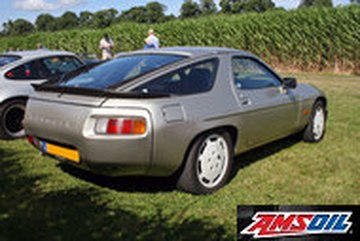
Maintaining Lubrication Integrity for the 1980 Porsche 928 4.5L
Owning a high-performance vehicle from the early 1980s requires a disciplined approach to routine maintenance. For the 1980 Porsche 928 equipped with the 4.5L engine, consistent attention to lubrication systems is a fundamental aspect of long-term preservation. Because these engines operate under specific thermal and mechanical conditions, the quality and condition of the engine oil play a vital role in the overall health of the powertrain.
Monitoring Fluid Condition and Consumption
One of the most effective ways to monitor the health of the 4.5L engine is through regular observation of fluid levels and appearance. Rather than waiting for a warning indicator, an owner should establish a routine for checking the oil level using the appropriate dipstick procedures. Significant or unexpected changes in how much oil the engine consumes between service intervals warrant closer investigation.
When inspecting the lubricant, look for changes in its physical properties. While some darkening is expected as oil undergoes thermal stress and collects microscopic debris, extreme discoloration or a gritty texture can indicate that the oil has exceeded its effective service life or has been contaminated. Furthermore, if any unusual odors are detected near the engine bay, it may indicate that oil is contacting hot surfaces, which should be investigated to identify potential sources of seepage.
Systematic Inspection of Seals and Gaskets
As vehicles age, the materials used in gaskets and seals can undergo changes in elasticity. For a 1980 model, it is prudent to perform periodic visual inspections of various sealing surfaces. Instead of assuming a component will fail, look for evidence of active seepage or "wet" areas around engine junctions. Identifying small amounts of seepage early can prevent more significant issues later.
During these inspections, pay close attention to the following:
- Sealing Surfaces: Check for any signs of oil weeping from where major components meet the engine block.
- Drain Areas: Ensure that the area around the oil drain plug and the filter mounting area is clean and free of accumulated residue, which can hide active leaks.
- External Connections: Inspect any visible connections or housings for signs of age-related degradation.
If you notice evidence of fluid leakage, it is important to determine if the leak is a slow seepage or an active drip. A slow seep might be managed through continued monitoring, whereas an active leak requires more immediate mechanical attention to maintain proper lubrication levels.
Managing Long-Term Maintenance Priorities
For owners of a 1980 Porsche 928, maintenance decisions are most effective when based on the actual condition of the vehicle rather than just its age. If you have acquired the vehicle without a complete service history, your first priority should be establishing a maintenance baseline. This involves documenting all recent fluid changes, filter replacements, and any repairs that have been performed.
When records are incomplete, prioritize the following actions:
- Reviewing Service History: Attempt to compile as much information as possible regarding previous oil changes and component replacements.
- Addressing Active Concerns: If there are existing warning signs—such as minor leaks or unusual noises—address these before moving on to purely preventive tasks.
- Monitoring Fluid Integrity: Keep a log of how the oil behaves over several months, noting its color, smell, and the frequency with which it needs to be topped up.
By focusing on condition-based maintenance, you can distinguish between necessary repairs and unnecessary parts replacement. This methodical approach ensures that resources are directed toward the areas that most impact the engine's operational stability.
Observing Potential Mechanical Indicators
While modern vehicles rely heavily on electronic sensors, an owner of a 1980 vehicle must remain attuned to mechanical feedback. Changes in how the engine sounds or behaves can be early indicators of lubrication-related issues. For example, unusual mechanical noises that appear during startup or under specific load conditions should never be ignored.
It is important to remember that symptoms like unusual noise or changes in exhaust appearance can have multiple causes. An unusual sound might be related to the lubrication system, but it could also stem from other mechanical components. Therefore, any deviation from the engine's normal operating characteristics should be treated as a prompt for a professional diagnostic inspection rather than an immediate diagnosis of a specific part failure.
The Role of Effective Lubrication
Engine oil performs several critical roles that are essential for the operation of the 4.5L engine. Beyond simply reducing friction between moving parts, the lubricant acts as a medium for heat management, helping to carry thermal energy away from high-temperature zones within the engine. It also serves to clean the internal environment by suspending microscopic particles and carrying them toward the filtration system.
Maintaining the chemical integrity of the oil is vital for preventing the buildup of deposits. Over time, oil can undergo oxidation, which may lead to the formation of sludge if the lubricant is not changed according to a proper schedule. Using high-quality lubricants that offer strong resistance to thermal breakdown helps ensure that the engine remains clean and that all moving components receive consistent protection.
Practical Guidance for Buying Engine Oil for your 1980 Porsche 928 4.5L
When it is time to replenish your lubricant, the most important step is to match the product to the specific requirements of your engine. Do not rely on general automotive knowledge or assumptions based on the vehicle's age to select a grade. Instead, refer directly to the application-specific viscosity and oil information provided on this webpage.
As you prepare to purchase, consider the following practical steps:
- Verify Application Data: Ensure the oil you select matches the viscosity and specifications listed in the technical data above.
- Check Product Labeling: Always read the container carefully to confirm it meets the necessary standards and that the grade is exactly what your vehicle requires.
- Evaluate Formulations: Depending on your specific needs, you may choose between conventional, synthetic blend, or full synthetic oils. Some high-mileage formulations also include seal-conditioning additives which may be useful for aging engines showing signs of minor seepage.
- Confirm Quality Standards: Look for appropriate API certifications on the label to ensure the oil meets modern performance and cleanliness standards.
By strictly adhering to the application information provided here, you ensure that your 1980 Porsche 928 receives the exact lubrication it needs for optimal performance and longevity.