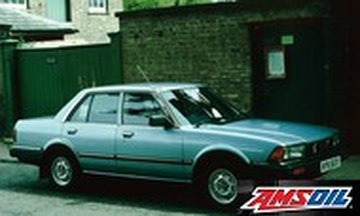
Lubrication Maintenance for the 1982 Honda ACCORD 1.8L
Maintaining the engine lubrication system in a vehicle like the 1982 Honda ACCORD with its 1.8L engine requires consistent attention to fluid condition and component integrity. As vehicles age, the way they manage heat and internal friction becomes increasingly dependent on the quality of the lubricants used and the diligence of the owner during routine inspections.
Monitoring Fluid Condition and Potential Leaks
One of the most effective ways to monitor the health of the 1.8L engine is through regular visual inspections of the lubrication system. Because this vehicle has been in operation for several decades, checking for signs of seepage or active leaks is a practical priority. Owners should look for any evidence of fluid accumulation around the engine block or on the ground beneath where the vehicle is parked.
When performing these checks, it is useful to observe:
- The presence of wetness or oily residue on various engine surfaces and sealing areas.
- Any discoloration in the oil that might suggest contamination from other fluids.
- The cleanliness of the area surrounding the oil filler cap and drain plug.
If any unexpected fluid loss is observed, it warrants a closer investigation to identify the source. It is important to remember that visible signs like oily residue can be associated with various factors, ranging from simple gasket aging to loose components. Identifying these signs early allows for more controlled maintenance decisions.
Managing Engine Longevity Through Lubrication
The engine oil in a 1982 Honda ACCORD performs several vital roles that directly impact the longevity of the internal components. Beyond simply reducing friction between moving parts, the lubricant acts as a medium for heat management by carrying thermal energy away from high-friction areas. It also helps to suspend and carry away microscopic debris that can accumulate during engine operation.
Over time, even with regular changes, oil can undergo chemical changes due to exposure to heat and oxygen. This process can lead to the formation of deposits or sludge if the lubricant is not replaced according to a consistent schedule. Maintaining clean, fresh oil helps ensure that the internal surfaces remain protected against the buildup of these substances, which can otherwise interfere with the smooth operation of the engine.
Practical Inspection of Aging Components
As a vehicle reaches higher ages, certain peripheral components that support the engine's operation should be inspected more frequently. While the primary focus is often on the oil itself, the systems surrounding the engine are equally important for overall maintenance.
If equipped, accessible drive belts should be examined for signs of wear such as cracking, glazing, or fraying. Similarly, if the vehicle is present with various rubber hoses, these should be checked for excessive softness, hardening, or visible cracks. Even if these components are not directly part of the lubrication system, their condition can affect how the engine manages heat and maintains stable operating temperatures.
Furthermore, inspecting electrical connections and wiring harnesses near the engine can prevent issues related to sensor accuracy or ignition stability. Ensuring that all connectors are clean and free from corrosion is a proactive step in maintaining the overall health of the 1.8L powerplant.
Establishing a Maintenance Baseline
For owners of an older vehicle, especially if the previous service history is not fully documented, establishing a maintenance baseline is highly beneficial. This involves performing a thorough assessment of the current state of all fluids and major engine-related components to understand what has been done and what requires attention.
If you are unsure of when the oil or filters were last replaced, treating the current service as a "reset" point can be very effective. By documenting the results of your initial inspections—such as the condition of the seals, the clarity of the fluids, and the state of the belts—you create a reference point. This allows you to monitor changes over time more accurately, making it easier to distinguish between normal aging and a developing issue that requires professional diagnosis.
Prioritizing Service Tasks Based on Condition
Effective maintenance for an older Accord does not necessarily mean replacing every part that shows age; rather, it involves prioritizing tasks based on the actual condition of the vehicle. A condition-based approach is often more efficient than a strictly time-based one.
When deciding where to focus your efforts, consider the following hierarchy:
- Active Issues: Address any visible leaks, unusual noises, or warning indicators immediately.
- Fluid Integrity: Ensure that the engine oil and other essential fluids are at the correct levels and meet the necessary quality standards.
- Preventive Monitoring: Continue to observe aging components like hoses and belts to catch deterioration before it leads to a failure.
By focusing on what the vehicle actually needs, you can manage maintenance costs effectively while ensuring the 1.8L engine remains reliable for continued use.
Buying Engine Oil for your 1982 Honda ACCORD 1.8L
When it is time to replenish the lubrication in your 1982 Honda ACCORD 1.8L, the most important step is to ensure the product you select matches the specific requirements of your engine. Because different engines require different fluid properties, you should always match the engine oil to the application-specific viscosity information already displayed on this webpage.
Before making a purchase, carefully check the product labeling to verify that the oil meets current quality standards and certifications. Depending on your specific needs and the condition of your engine, you may encounter various options, including:
- Conventional Oils: Standard mineral-based lubricants.
- Synthetic Blends: A combination of conventional and synthetic oils.
- Full Synthetic Oils: Highly engineered lubricants designed for stability.
- High-Mileage Formulations: Some formulations contain additives intended for use in aging engines, including seal-conditioning additives.
Avoid making assumptions about which type is best based solely on the age of the vehicle or general automotive trends. Instead, rely on the technical specifications provided in the application information above to ensure your 1.8L engine receives the exact lubrication it requires.