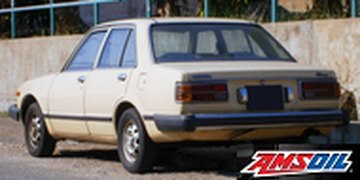
Engine Lubrication Care for the 1981 Honda ACCORD 1.8L
Maintaining the lubrication system of a 1981 Honda ACCORD with the 1.8L engine requires consistent attention to fluid condition and component integrity. As vehicles age, the way they manage heat and internal friction becomes increasingly dependent on the quality of the lubricants used and the diligence of the owner in monitoring for changes. Proper maintenance helps ensure that the mechanical components continue to operate smoothly under various driving conditions.
Monitoring Fluid Condition and Potential Leaks
One of the most effective ways to monitor the health of the 1.8L engine is through regular visual inspections of the lubrication system. Owners should look for any signs of fluid seepage or active leaks around the engine block and associated sealing surfaces. Even small amounts of oil appearing on the exterior of the engine can be an early indicator that a gasket or seal may be losing its effectiveness due to age or thermal cycling.
When performing these inspections, it is helpful to check for:
- Evidence of fluid weeping around various engine junctions.
- Accumulations of grime or dirt that often cling to areas where oil has seeped out.
- The presence of any unusual odors that might suggest oil is contacting warmer engine components.
If you notice a significant change in the amount of oil required between service intervals, this warrants further investigation. While changes in consumption can be caused by many different factors, identifying a trend early allows for more informed maintenance decisions.
Managing Long-Term Engine Health
For an older vehicle like the 1981 Honda ACCORD, establishing a clear understanding of its service history is invaluable. If you have recently acquired this vehicle, your first priority should be to establish a maintenance baseline. This involves reviewing any available service records to determine when the oil and filter were last replaced and what type of products were used.
If documentation is incomplete, treating the vehicle as if it needs immediate attention to its core fluids can provide a fresh starting point for ownership. Once a baseline is established, you can transition from reactive repairs to proactive monitoring. This means paying close attention to how the engine behaves during different seasons and after long drives. Observing whether the engine runs differently or if there are changes in fluid appearance can help you distinguish between normal aging and issues that require professional diagnostic attention.
Prioritizing maintenance based on current condition rather than just chronological age is a practical approach. For example, an engine that has been consistently well-maintained may have different needs than one that shows signs of previous neglect. Focus your efforts on addressing any active leaks or visible signs of wear first, then move toward routine preventive measures.
Observing Potential Warning Signs
While many lubrication issues develop slowly, some symptoms can appear more abruptly and require immediate attention. It is important to remember that a single symptom does not always point to one specific failed component; rather, it serves as a signal to investigate further.
Potential indicators that the lubrication system needs inspection include:
- Changes in lubricant appearance: If the oil appears excessively dark, gritty, or has a milky consistency, it may indicate contamination or that the fluid has exceeded its effective service life.
- Unusual mechanical noises: Any new or persistent sounds coming from the engine area should be investigated, as they can sometimes be associated with insufficient lubrication of moving parts.
- Warning indicators: If any oil-related warning lights appear on the dashboard, this is a critical signal that requires immediate investigation to prevent potential damage.
By staying observant of these signs, you can address minor concerns before they escalate into more complex mechanical issues.
Inspecting Related Engine Components
Effective engine care extends beyond just the oil itself. During routine service, it is beneficial to inspect other components that support the overall operation of the 1.8L engine. If equipped, accessible drive belts should be checked for signs of deterioration such as cracking, glazing, or fraying. Similarly, if the vehicle is equipped with various hoses, inspecting them for softness, swelling, or leaks can prevent unexpected failures.
Electrical connections and wiring related to engine sensors should also be inspected for cleanliness and secure attachment. Ensuring that the air filtration system is clean is another vital step, as a restricted air intake can affect how the engine breathes and operates, which indirectly impacts the overall environment within the crankcase.
Practical Approaches to Lubricant Selection
When it comes to choosing a lubricant, there are several formulations available in the modern market. While conventional oils have been used for decades, synthetic and synthetic-blend oils offer different chemical properties regarding thermal stability and resistance to oxidation. Some owners also consider high-mileage oil formulations, which contain additives intended for use in aging engines; these may include seal-conditioning agents designed to help maintain the integrity of older gaskets.
The choice between these options should be guided by the specific requirements of your engine. Rather than making assumptions based on the age of the vehicle or general automotive trends, always refer to the technical specifications provided for your exact application. Ensuring that any lubricant you select meets the appropriate quality standards is a fundamental part of responsible maintenance.
Buying Engine Oil for your 1981 Honda ACCORD 1.8L
To ensure the continued health of your engine, always match the engine oil to the application-specific viscosity information shown on this page. It is essential to verify that the product you purchase aligns with the requirements listed in your vehicle's technical data rather than relying on memory or general suggestions. Before completing a purchase, check the product labeling carefully to confirm it meets the necessary specifications for your 1.8L engine. Whether you choose a conventional, synthetic blend, or high-mileage formulation, the most important factor is that the lubricant adheres to the specific guidance provided for this exact Honda ACCORD application.