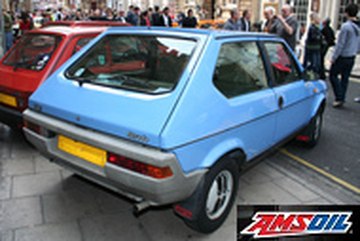
Lubrication Maintenance for the 1980 Fiat STRADA 1.5L
Understanding the 1.5L Engine Context
The 1980 Fiat STRADA utilizes a 1.5L engine (engine code 138BS031) that represents a specific era of automotive engineering. Maintaining this powerplant requires an understanding of how older mechanical systems respond to lubrication over time. Because this vehicle was manufactured several decades ago, the materials used in its construction—such as various seals and gaskets—may behave differently than those found in modern vehicles. Proper care involves not just regular fluid changes, but also a consistent eye for the physical condition of the engine bay.
Selecting an Appropriate Lubricant
When choosing an oil for this 1.5L application, it is essential to prioritize the specific requirements provided in the technical data on this page. Rather than relying on general automotive trends, you should match your lubricant choice to the vehicle-specific viscosity and application information displayed above.
Modern lubricant technology offers several paths for maintenance:
- Conventional Oils: These are standard mineral-based oils that have been used for decades.
- Synthetic and Synthetic Blends: These formulations can offer different levels of thermal stability and resistance to oxidation compared to pure mineral oils.
- High-Mileage Formulations: Some high-mileage oil formulations contain additives intended for use in aging engines, such as seal-conditioning agents that may help maintain the integrity of older rubber components.
Always verify that any product you select meets current API (American Petroleum Institute) service standards to ensure the oil provides adequate protection against deposits and wear.
The Role of Engine Oil in Component Protection
Engine oil performs several vital roles that are necessary for the continued operation of the 1.5L engine. Beyond simple lubrication, the fluid acts as a medium for heat management by absorbing thermal energy from internal components and carrying it away. It also serves to clean the engine by suspending microscopic particles, preventing them from settling into sludge or heavy deposits. Maintaining fresh oil helps ensure that friction remains minimized, which is critical for the longevity of moving parts within the engine block.
Observing Potential Warning Signs
Owners should remain vigilant for any changes in how the vehicle operates. While symptoms can have multiple causes and always warrant a professional inspection, certain signs may indicate a need for immediate attention:
- Visible Fluid Seepage: Any evidence of oil appearing on the ground or pooling around the engine base should be investigated.
- Changes in Oil Appearance: If the lubricant appears excessively dark, gritty, or has an unusual consistency, it may indicate contamination or extreme thermal breakdown.
- Unusual Mechanical Noises: New or changing sounds from the engine area can sometimes be associated with changes in lubrication levels or quality.
- Changes in Consumption: A noticeable increase in how often you need to check or add oil is a significant indicator that the system should be inspected for leaks or other issues.
Age-Related Inspection Priorities
As a vehicle from 1980, certain components may require more frequent monitoring due to the natural aging of materials. It is practical to perform regular visual checks on accessible areas:
- Gaskets and Seals: Inspect various sealing surfaces for signs of age-related seepage or leakage.
- Hoses and Connections: If present, check hoses for signs of cracking, softening, or brittleness.
- Electrical Integrity: Examine wiring and electrical connectors for any signs of fraying or corrosion that could affect engine performance.
- Drive Components: If equipped, inspect accessible drive belts for evidence of glazing, cracking, or fraying.
Establishing a Maintenance Baseline
For many owners of a 1980 Fiat STRADA, the service history may not be fully documented. In these cases, establishing a maintenance baseline is a highly effective strategy. This involves performing a thorough inspection of all fluids and components to determine their current state. Once you have identified the current condition of the seals, belts, and hoses, you can create a personalized schedule for monitoring these items. Keeping detailed records of every oil change, filter replacement, and observed leak will provide invaluable data for making future maintenance decisions.
Prioritizing Long-Term Care
Effective long-term ownership is about distinguishing between necessary preventive maintenance and unnecessary parts replacement. Rather than replacing components simply because they are old, focus on the actual condition of the parts. If a component shows no signs of deterioration during routine inspections, it may not require immediate action. However, addressing active leaks or responding to changes in fluid condition should always be prioritized to prevent more significant mechanical issues down the road.
Practical Advice for Buying Engine Oil for your 1980 Fiat STRADA 1.5L
When you are ready to purchase new lubricant, do not make assumptions based solely on the age of the vehicle or general knowledge of similar engines. The most reliable way to ensure compatibility is to match the engine oil to the application-specific viscosity information shown above on this page. Before completing your purchase, check the product labeling to confirm it meets the necessary quality standards and consider whether a high-mileage formulation is appropriate for your specific engine's current condition.