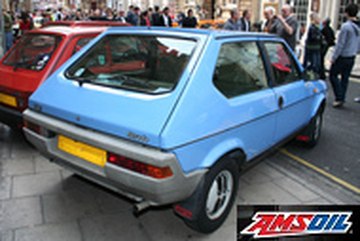
Lubrication Maintenance for the 1980 Fiat STRADA 1.5L
Understanding the 1.5L Engine Context
The 1980 Fiat Strada utilizes a 1.5L engine (engine code 138B2031) that represents a specific era of automotive engineering. Maintaining this powerplant requires an understanding of how older mechanical systems respond to different lubricants and service conditions. Because this vehicle was manufactured several decades ago, the materials used in its construction—such as various seals and gaskets—may behave differently than those found in modern vehicles when exposed to contemporary chemical additives.
Selecting a Suitable Lubricant
When choosing an engine oil for this 1.5L application, it is vital to prioritize the specific requirements listed in the application information provided on this page. While many modern lubricants are designed for high-efficiency, low-viscosity requirements in contemporary engines, older designs often rely on different film strengths to maintain proper operation.
You may encounter various options such as conventional oils, synthetic blends, or full synthetics. Some owners of aging engines consider high-mileage formulations, which contain seal-conditioning additives intended to help maintain the integrity of older rubber components. Regardless of the formulation chosen, always ensure the product meets the appropriate API service classifications for your needs and matches the viscosity information displayed above.
The Role of Consistent Oil Service
Regularly changing the engine oil is one of the most effective ways to manage the internal health of the 1.5L engine. Over time, the lubricant undergoes thermal stress and collects microscopic debris from the normal combustion process. If left untreated, this can lead to the formation of deposits or sludge, which may interfere with the smooth operation of internal components.
Fresh oil ensures that the engine maintains optimal heat management by helping to dissipate thermal energy away from critical areas. Furthermore, maintaining a clean and fresh lubricant helps minimize friction between moving parts, which is essential for preserving the mechanical efficiency of the engine over long periods of ownership.
Observing Potential Lubrication Issues
Staying proactive involves monitoring the vehicle for signs that the lubrication system may need attention. It is important to remember that various symptoms can have multiple underlying causes and should be investigated rather than immediately diagnosed.
- Fluid Leaks: Any visible pooling of oil under the vehicle or wetness around the engine area warrants investigation.
- Changes in Appearance: If the oil on the dipstick appears excessively dark, gritty, or shows signs of contamination, it may indicate that a service interval has been exceeded.
- Consumption Patterns: A noticeable increase in the frequency of checking the oil level can be an indicator of how the engine is utilizing its lubricant.
- Audible Changes: Unusual mechanical noises that occur during startup or while idling may be associated with lubrication levels or quality.
Inspection Priorities for Older Engines
As a vehicle from 1980 ages, certain components require more frequent visual monitoring to ensure continued reliability. Rather than relying on age alone, focus on the actual condition of the parts during routine service.
Inspect all accessible hoses and belts (if equipped) for signs of cracking, glazing, or fraying. Additionally, examine various gaskets and seals for evidence of seepage or weeping. Even if a leak is not currently active, observing the cleanliness of the engine block can provide clues about how well the sealing surfaces are holding up. If your vehicle is equipped with an air filtration system, ensuring the filter is clean is also a key part of maintaining overall engine health and preventing contaminants from entering the combustion chamber.
Managing Long-Term Ownership
For owners of a 1980 Fiat Strada, establishing a clear maintenance baseline is highly beneficial. If you do not have access to a complete service history for this specific vehicle, begin by documenting every oil change, filter replacement, and fluid service from this point forward.
Keeping detailed records allows you to identify patterns, such as changes in oil consumption or the frequency of required repairs. This documentation is invaluable when deciding whether to perform preventive maintenance or if a component requires more immediate attention based on its observed condition. A well-documented history helps distinguish between routine upkeep and necessary mechanical interventions.
Prioritizing Maintenance Tasks
When managing an older vehicle, it is most effective to prioritize tasks based on the current state of the engine rather than following a generic schedule. If you notice active seepage or if the oil level requires frequent topping off, these should be addressed before moving on to other non-critical maintenance items.
Reviewing available repair records can help you determine which components have been recently serviced and which may be approaching the end of their service life. By focusing on addressing active warning signs and maintaining consistent fluid quality, you can make informed decisions about where to allocate your time and resources for the best possible engine preservation.
Buying Engine Oil for your 1980 Fiat STRADA 1.5L
To ensure the longevity of your 1.5L engine, always match your purchase to the vehicle-specific oil viscosity information shown on this page. Before finalizing your selection, check the product labeling to confirm it meets the necessary quality standards and service classifications. Whether you choose a conventional, synthetic blend, or high-mileage formulation, the most important factor is that the lubricant aligns with the application-specific data provided for this exact Fiat Strada.