
What is the Oil Capacity of a 2022 Ford Explorer?
published on December 17th, by Searchforparts.com
The 2022 Ford Explorer, paired with a 2.3L 4 -cylinder turbo engine, has an oil capacity of 5.2 quarts. It requires a 5W-30 oil for efficient performance. In extreme cold, the 0W-30 oil is suitable for a better cold start. In addition, the 3.0L 6 -cylinder turbo engine needs 5W-30 oil and has a capacity of 6 quarts. Furthermore, any of the 3.3L 6 -cylinder engines have an oil capacity of 6 quarts and require 5W-20 oil. While 5W-2O is the ideal oil for this engine, 0W-20 oil performs better in extremely cold temperatures.
Get awesome synthetic oil for your 2022 Ford Explorer! Below we also have awesome filters to keep harmful debris out of your engine! Keep your engine running great for many years with our made in USA oil. Full synthetic and not a blend!
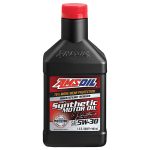
5W30 Synthetic
Great oil for a 2022 Explorer with a 2.3L or 3.0 L engine

5W20 Oil
Best recommended oil for your 2022 Ford Explorer with a 3.3L engine!
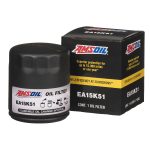
2.3L Oil Filter
Awesome filter for your 2.3L engine to keep it super clean! Upgrade your filter now!
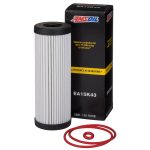
3.0L Oil Filter
Awesome filter for your 3.0L engine to keep it super clean! Upgrade your filter now!
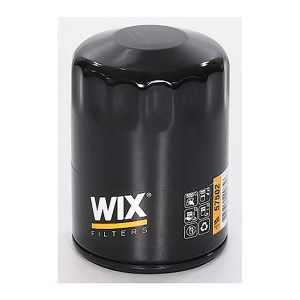
3.3L Oil Filter
Great filter for your 3.3L engine to keep it super clean! Upgrade your filter now!
You can use conventional or synthetic motor oil in your 2022 ford engine. The difference between these two oils boils down to their chemical makeup. Conventional oil contains natural crude oil that has been mildly refined. On the other hand, synthetic oil is more of an artificial chemical.
Its base oil has undergone chemical alterations to develop more structured and stable chemical compounds.
Whether it is conventional or synthetic oil, you pour into your engine, always ensuring it doesn’t last longer than recommended. You don’t want to cause engine clogs, overheats, and other related issues.
What happens to a car engine when it runs with old/little oil?
When the oil in a car engine is old or little, the engine suffers from additional pressure to perform. In other words, the engine would require more energy to perform its usual tasks.
This lack of lubrication in the engine would mean that engine parts that come in contact with each other develop a heightened risk of wear.
In a nutshell, the lack of oil or the presence of old oil in a car engine can cause:
- Premature wear in engine parts
- More fuel consumption
- Slower engine starts
- Unusual sounds coming from your vehicle
- Quicker loss of power when driving
- Engine overheat
- Hot steam from the hood of the car.
If you continue to drive with these dangerous signs, you will place yourself further at risk – both physically and financially.
In extreme cases, your engine may suffer irreversible damage, which would warrant a complete replacement. In other cases, extreme heat buildup may lead to a fire outbreak and subsequent loss of lives and properties.
Carrying out routine oil changes is key to ensuring your engine stays in great shape.
Does engine size matter for an oil filter?
Then oil filter size is an important factor to consider before you purchase one for your vehicle. Oil filters come in different sizes, and that is to ensure each filter can properly fit each unique engine. The wrong-sized filter in your engine would cause incompatibility issues which can be an obstacle in filtering particles in your engine oil.
Aside from the engine size, you should consider other factors that can directly affect the oil filter filtration process. These includes:
- The debris-holding capacity;
- The material used in the filter; and
- The pressure-flow profile.
If conflicted about the type of filter to use, you can consult the owner’s manual.
Can you check car engine oil while the engine is running?
We do not recommend you inspect your oil level manually when the car is still running.
If your car engine is running while you check the oil, you expose yourself to the risk of burns when in contact with the engine. Also, if you plan to check the oil level, you will most likely get a false reading due to oil splashes on the dipstick.
So, always turn off the engine before checking the oil for safety purposes and accurate oil diagnosis. If you need to warm the engine oil, ensure you check the oil at least five minutes after you must have turned off the engine.
Why did my engine light come on after an oil change?
There are several reasons for this.
First, the dipstick may be incorrectly seated, in which case you can readjust the dipstick accordingly.
Second, the oil filler cap may be in the wrong position. You can check the service manual to fix this cap properly.
Furthermore, you might have overfilled the engine with oil. Drain off the excess oil in the engine to resolve the issue.
Also, the engine oil reset codes may be off. You can scan and reset the codes or seek professional help.
Finally, your engine light might come on after an oil change if you use the wrong oil. You’ll need to drain and refill the entire oil with the recommended motor oil.
More importantly, any motor oil you use should be of similar viscosity. Mixing a 0W-40 conventional oil with a 5W-30 synthetic oil causes several compatibility issues and can hinder the performance of the oil.
As a rule of thumb, consult the Owner’s manual to determine the right type of oil for your engine.
How to check the transmission fluid on a 2022 Ford Explorer?
Regular transmission fluid checks should be a part of the maintenance process in your 2022 Ford Explorer. Through regular checks, you keep the transmission fluid healthy and free from contaminants which, in turn, guarantees an effective baking system.
To check the transmission fluid on a 2022 Ford Explorer, you can follow these easy steps:
- Park your 2022 Ford Explorer on a level surface and open the hood
- Pull out the transmission dipstick at the rear of the engine. You can follow the manual to locate the dipstick.
- Wipe the dipstick and reinsert it.
- Remove the dipstick and check the fluid level. Observe how high the fluid is on the dipstick- whether “full” or “low.” If it is “low,” refill with transmission fluid. You can also drive into a repair shop for professional refills.
Visit Amsoil’s Website for an Oil Filter for Your 2019 Toyota Camry
Amsoil is the recommended motor oil for your 2019 Toyota Camry.
Amsoil motor oils have different grades and viscosity, perfectly created to improve your engine’s performance.
Amongst its many benefits, Amsoil oil provides your 2019 Toyota Camry with; protection against wear, maximum cleaning properties for a sludge/contamination-free engine, better oil consumption, Extended drain protections, and so on.
So, if you need engine oil that guarantees peak performance while maintaining the durability of your engine, AMSOIL motor oil is a great pick!